
If you have spent any time around a data center lately, the conversation has changed. It used to start with speed and price. These days it starts with how a network behaves when an AI workload suddenly decides it needs a lot more from the connection than anyone planned for. That shift is something Doug Roberts, Chief Technology Officer at Cytranet, has been watching up close for the better part of a year, and it is reshaping how the regional carrier thinks about everything from fiber routes to the way it engineers redundancy.
Cytranet has spent more than a decade as a single source provider of voice, data, cloud, and managed IT services for businesses, nonprofits, and government agencies across all fifty states. Like the rest of the industry, the company has spent the last twelve months pouring effort into AI readiness, but Roberts is quick to point out that the interesting part is not the technology itself. It is what AI has revealed about the networks we built before it.
What AI Actually Wants From A Network
Ask a chief information officer what they need from a carrier and you used to get an answer measured in megabits per second. Ask them today and the conversation drifts toward jitter, packet loss, and the gap between what a service level agreement promises and what happens on a Tuesday afternoon when traffic spikes.
Roberts has been hearing versions of that conversation for most of his career, but the volume has gone up sharply. An AI assisted call, a real time transcription job, a fraud model pulling data from half a dozen systems at once, none of those workloads tolerate the kind of inconsistency that older networks happily served up. If the connection stutters, the work does not slow down. It fails, sometimes in ways that are hard to diagnose after the fact.
The work Cytranet has done in response is not the kind of thing that ends up in a marketing brochure. It is the unglamorous layer underneath everything else. Cleaner routing. Tighter monitoring. Better observability. A way to know about a problem before the customer does, so the conversation that used to start with an apology now starts with a status update.
Why Fiber Becomes The Whole Argument
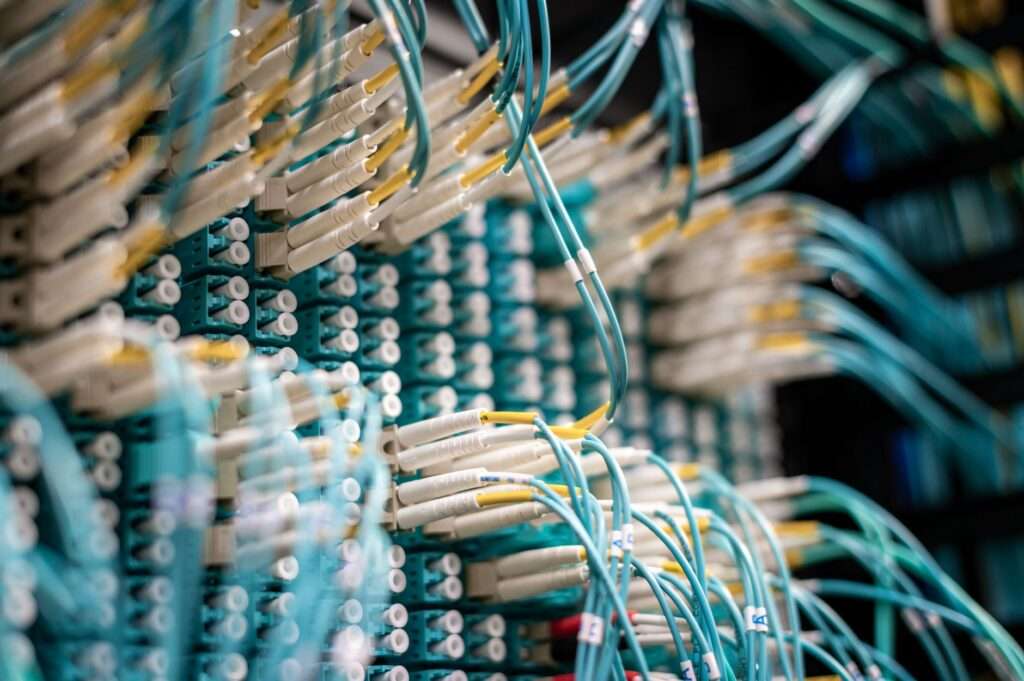
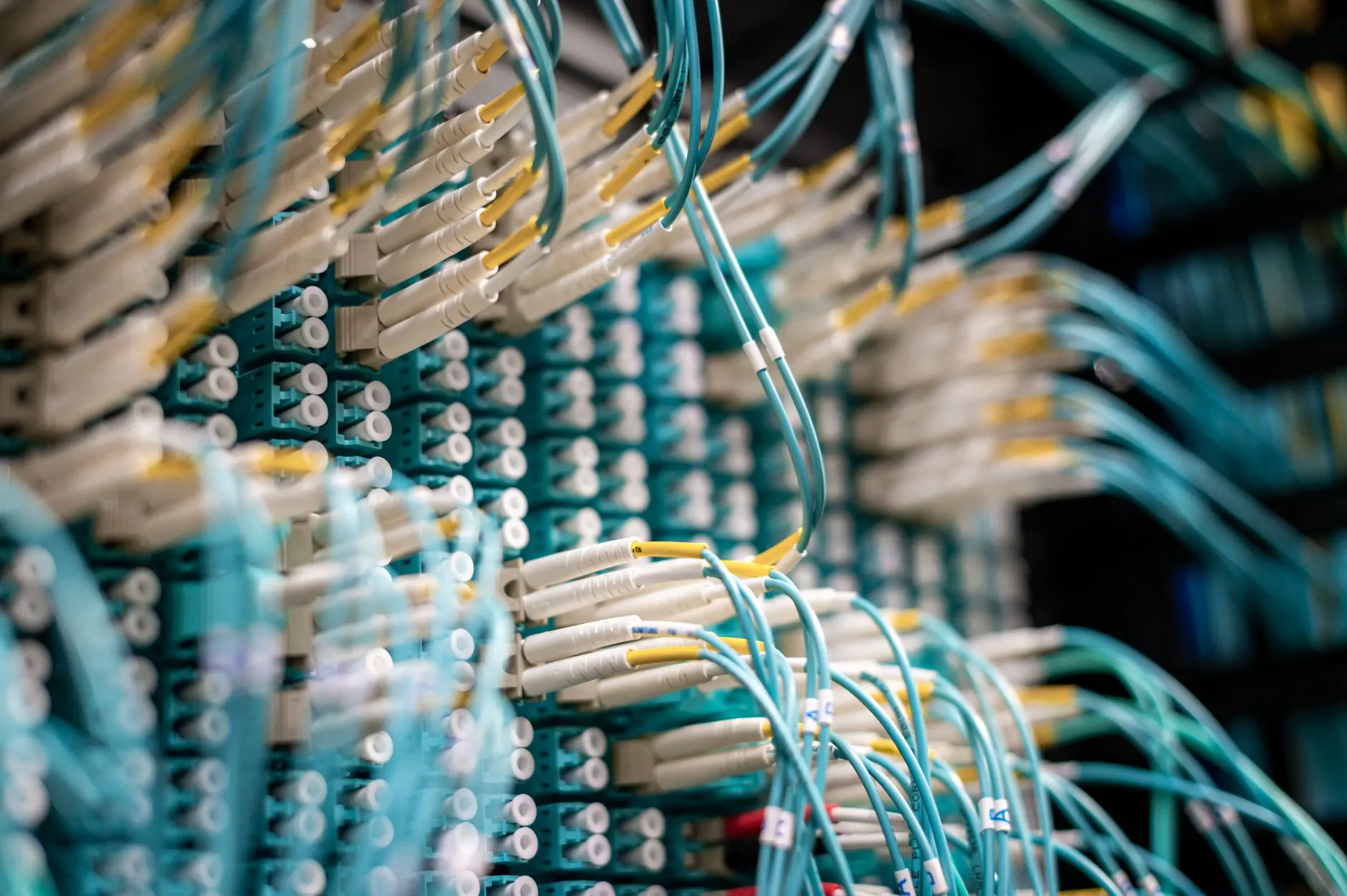
None of the work above is possible without a physical layer that can actually carry the traffic. That is the part of the conversation that has gotten louder over the last few years, and it is the part Roberts cares about most. Industry research published this year put U.S. homes passed by fiber at roughly 88 million, with another 10 million added in 2024 alone. Federal programs like the Broadband Equity, Access, and Deployment initiative are pushing more capital into middle mile and last mile builds, and a string of regional providers have announced new metro and long haul routes from the Mid Atlantic to the Southwest.
For a regional carrier that serves a mix of small and mid sized businesses, municipal governments, and federal clients, that broader build out matters for a simple reason. The customers Cytranet is signing today are not the same customers the company was signing five years ago. They are running AI powered customer service tools. They are moving workloads between on premises systems and the cloud in ways that were not on the planning slides two budget cycles ago. They are treating connectivity the way they treat electricity, as something that has to be there, all the time, in a form that does not get in the way.
You cannot deliver that on top of a network that was sized for email and voice. You can only deliver it on fiber, and on a fiber plant that is engineered with enough headroom to absorb the kind of growth the next few years are going to bring.
The Quiet Work Of Federal Connectivity
Alongside the commercial build, Cytranet has been steadily adding to its federal portfolio. Recent work has included wireless network deployments supporting military housing and a long running project to replace legacy copper services at a Navy facility, the kind of job that only goes well if the team is willing to spend a lot of time documenting outside plant that has been in continuous operation for decades.
Roberts is proud of that work, partly because it is technically demanding and partly because the stakes are real. When you open a wiring closet on a facility that has been operating since before the internet was a consumer product, you find things that are not on any drawing. Copper retirement is overdue across a lot of government real estate, but it has to be done with respect for what those circuits actually do. A fire alarm line or a crash phone is not the place to learn on the job. The approach is to survey first, document everything, and give the customer a migration plan they can defend to their own leadership.
Security As A Property Of The Network
The other thread that runs through everything Cytranet builds today is security, and Roberts has stopped talking about it as a separate product. Network security and data backup and recovery sit close together by design. Continuity and security are not two different conversations. They are the same conversation, and if you can keep a customer running through a ransomware event, you have done both jobs at once.
That philosophy has shown up in measurable ways. Cytranet has seen a steady uptick in new contracts from municipal agencies and mid sized enterprises that are reevaluating their telecom providers after a year of high profile breaches in the wider industry. The customers are not looking for a security product bolted on top of someone else’s network. They are looking for a provider whose network and whose security posture were designed together, by the same team, with the same assumptions about what counts as normal behavior.
Voice In The Middle Of Everything
One of the more interesting shifts in the industry this year has been the slow but visible movement of some workloads back out of public cloud environments. That trend has not made the cloud irrelevant, but it has reminded a lot of chief information officers that the most important applications in their stack still need a carrier underneath them, and that the carrier is what determines whether the rest of the architecture actually works.
Voice is a good example. Asked whether traditional voice still belongs at the center of a modern technology stack, Roberts does not hesitate. Voice never left the center, it just changed shape. Hosted voice and unified communications platforms now sit on top of the same fiber and carrier infrastructure that carries everything else, and the quality of that underlying connection is what determines whether the call sounds good, whether the video meeting holds up, and whether the contact center performs under load.
What The Next Few Years Look Like
Looking ahead, the pace of fiber investment is not going to slow down. Capital from private equity, infrastructure funds, and federal broadband programs is still flowing into the market, and the demand curve keeps bending upward. The customer that sits down with Cytranet today is more sophisticated than the customer of three years ago, more willing to ask hard questions about latency and redundancy, and more aware that the cheapest quote is not always the cheapest in the long run.
Roberts welcomes that. It means the conversation has moved from coverage maps to outcomes. Nobody brags about theoretical speeds anymore. The pride now is in uptime, in support that picks up the phone, in networks that quietly do their job every single day. That is the standard Cytranet is building toward, and it is the standard the rest of the regional carrier market is going to have to meet.
For Roberts, the work in front of the company is the same work it has always been, just at a larger scale and on a tighter timeline. Keep building the fiber. Keep hardening the security. Keep answering the phone. The technology underneath those promises is changing faster than it ever has, and the customers are watching. Showing up for them, every day, is still the whole job.