
Nonprofit leaders are used to doing a lot with a little. Every dollar spent on a phone system or a server is a dollar not spent on programs, and donors and grant makers tend to watch overhead closely. Yet the technology underneath a nonprofit has to be just as dependable as any business’s. Clients call for help, volunteers need to be scheduled, and sensitive records must be protected.
Doug Roberts, chief technology officer of Cytranet, says the organizations that manage this balance well tend to make a few smart decisions about how they buy technology, not just what they buy.
“Nonprofits do not need less technology than other organizations. They need technology that is predictable and does not require a full-time expert to keep running,” Roberts said. “That is where cloud services and managed support really shine.”
Replacing the phone closet with the cloud
Many nonprofits still run older on-premises phone systems, sometimes donated or inherited years ago. Those systems often work until they do not, and repairs can be expensive and slow when parts are hard to find. Moving to business cloud voice replaces that hardware with a service that is maintained by the provider.
The practical benefits add up. Staff can take calls from the office, from home or from a mobile device, which matters for organizations with field workers, case managers or volunteers who are rarely at a desk. Features such as auto attendants, call queues, voicemail to email and hunt groups come built in, so a small front desk can handle a large volume of calls professionally.
“A lot of nonprofits have one or two people answering phones for an entire community. Cloud voice lets them route calls intelligently so the right person gets the right call, even when the office is closed,” Roberts said.
Managed services as a force multiplier
Most small and mid-sized nonprofits cannot justify a full IT department. Often the job falls to an operations manager or a tech-savvy staff member who handles it on top of everything else. That works until a server fails, a laptop gets infected, or an audit asks for security documentation nobody has.
Managed IT services offer another route. For a predictable monthly cost, a provider handles monitoring, patching, backups, security and help desk support. The organization gets access to a full team’s expertise without hiring one, and staff can return to the work they were hired for.
“Predictability is a big deal for nonprofits,” Roberts said. “Budgets are set a year in advance, often around grants. A surprise five-figure repair bill can knock a program off course. A steady monthly service helps leadership plan.”
Protecting sensitive information
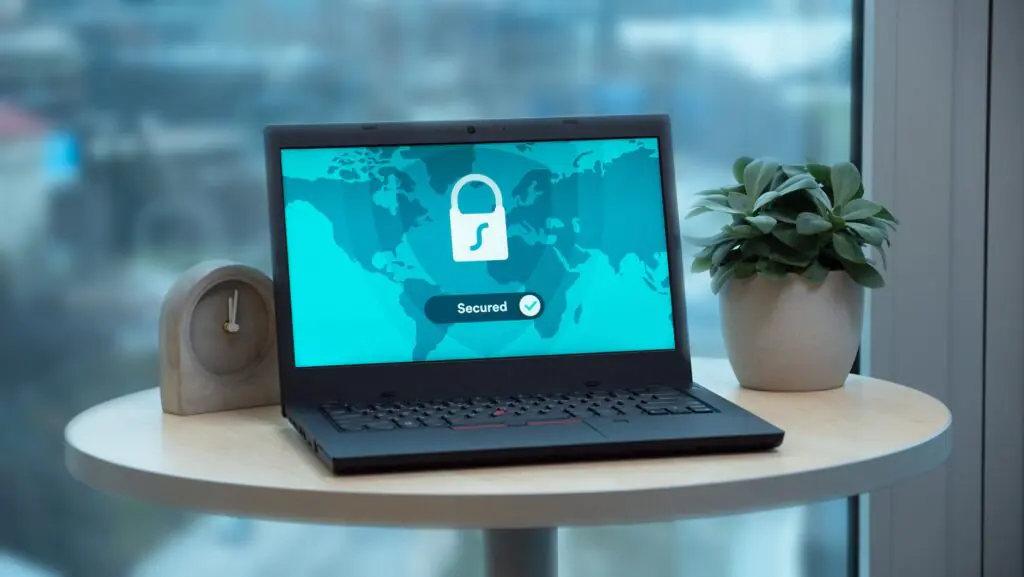
Nonprofits often hold sensitive data: client case files, donor records, payment information and sometimes health or family details. They are also frequent targets of phishing and fraud, precisely because attackers assume security is thin. Roberts encourages organizations to treat network security and backup as core parts of the mission rather than optional extras.
Basic steps go a long way: multi-factor authentication, up-to-date devices, a properly configured firewall, separate Wi-Fi for guests and staff, and backups that are tested regularly. A managed provider can put these pieces in place and keep them current.
Where the savings come from
Roberts pointed to a few common sources of waste that nonprofits can often reduce:
- Old phone lines that are still being billed but no longer used
- Multiple overlapping software subscriptions that do the same job
- Aging hardware that costs more to maintain than to replace with a service
- Emergency IT calls billed by the hour, which a managed plan can often replace
“When we sit down with an organization and look at everything they are paying for, there is almost always something to consolidate,” he said. “The goal is not to cut corners. It is to make sure every dollar is doing useful work.”
Growing without starting over
Nonprofits grow in bursts, often when a new grant arrives or a program expands to another site. Cloud services make that easier. Adding a phone user, opening a satellite office or supporting a seasonal volunteer program can be handled with configuration changes rather than new equipment purchases.
Cytranet serves more than 1,000 businesses, nonprofits and government agencies across the Southwest, and Roberts said the nonprofit work is some of the most meaningful the team does.
“When a nonprofit’s technology just works, their staff spend their day helping people instead of fighting with phones and computers,” he said. “That is a pretty good use of what we do.”
Getting started without disruption
Roberts said a transition does not need to happen all at once. Many organizations begin with the piece causing the most pain, often an aging phone system or an overworked volunteer handling IT, and build from there. A phased approach spreads costs across budget cycles and gives staff time to adjust.
He also recommends starting with an honest inventory: what equipment is in place, how old it is, what the organization pays each month and which systems hold sensitive data. That snapshot makes it much easier to spot quick wins and to explain technology decisions to a board or funder.
“Boards appreciate a clear plan with predictable numbers,” Roberts said. “It turns technology from a worry into a line item they understand.”
Nonprofit leaders who want to review their current setup can reach out to Cytranet to start a conversation.