
Cytranet’s Doug Roberts on Why Fiber Is Finally Winning the Broadband Battle
For years, businesses in underserved markets have been stuck making do with unreliable internet connections that simply weren’t built for the demands of modern work. But according to Doug Roberts, Chief Technology Officer at Cytranet, that era is coming to an end — and faster than most people expected.
“We’re at a genuine inflection point,” Roberts said during a recent conversation about the state of business connectivity. “The combination of fiber infrastructure expansion and the explosion of AI-driven workloads has completely changed how our customers think about their internet needs. It’s no longer a utility they set and forget. It’s a strategic asset.”
Expanding the Fiber Network
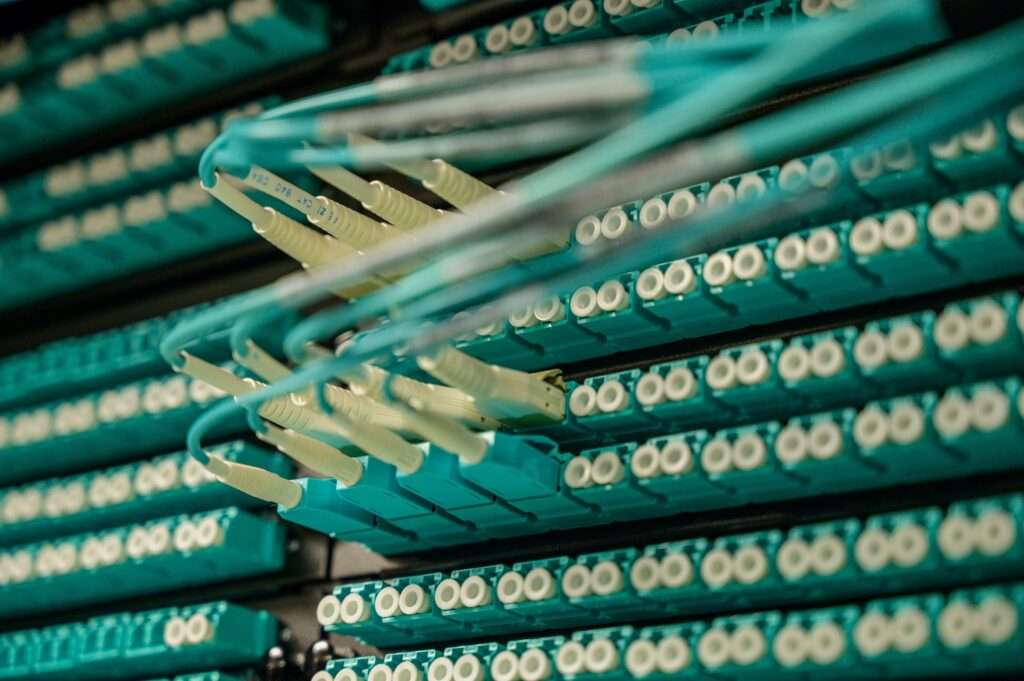
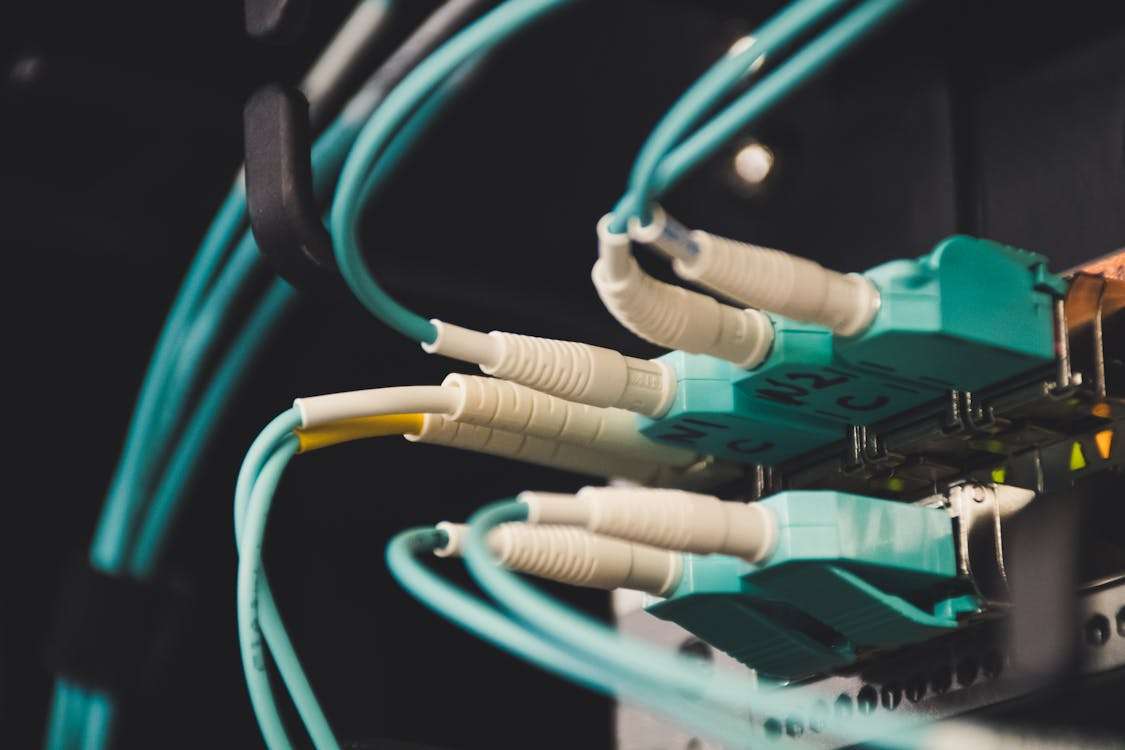
Cytranet has been steadily expanding its fiber footprint, and Roberts says the demand signals have never been stronger. Businesses that once tolerated sluggish upload speeds or patchy reliability are now drawing hard lines in the sand — particularly as more of their day-to-day operations depend on cloud platforms, video collaboration, and increasingly, AI tools that require consistent, low-latency connections to function properly.
“AI is the great equalizer in this conversation,” Roberts explained. “When a business starts running AI-assisted workflows — whether that’s customer service automation, data analytics, or real-time decision-making tools — they immediately feel the difference between a fiber connection and anything else. There’s no hiding anymore. Latency matters. Packet loss matters. Symmetrical speeds matter.”
Roberts is particularly enthusiastic about what fiber means for smaller and mid-sized businesses that have historically been priced out of enterprise-grade connectivity. Cytranet’s approach has focused on bringing dedicated fiber solutions to markets that legacy carriers largely ignored, and Roberts says the response from customers has been deeply gratifying.
Building the Right Team
“We had a logistics company come to us last year that was running their entire operation on a cable-based connection that was shared with half their office park,” he said, laughing. “Within two months of switching to dedicated fiber, their operations team told us it was the single best technology decision they’d made in five years. That kind of feedback is why we do this.”
Beyond connectivity, Roberts is also keeping a close eye on the role that edge computing and regional data centers will play in the next chapter of business internet. As AI inference moves closer to end users and latency requirements tighten even further, he believes that companies like Cytranet — which understand both the network and the local business landscape — are uniquely positioned to help customers navigate the transition.
“The businesses that are going to thrive over the next decade are the ones building on solid infrastructure foundations right now,” Roberts said. “Fiber isn’t just about fast internet. It’s about being ready for whatever comes next — and a lot is coming.”
For Roberts, the mission is straightforward even if the technology is complex: make sure that no business has to compete with one hand tied behind its back because of a bad internet connection.
“Connectivity is opportunity,” he said. “We take that seriously every single day.”