
Fiber outages are an unfortunate reality in the telecommunications industry. Every day across the country, third-party construction crews unintentionally damage underground fiber infrastructure while performing unrelated excavation work. What separates an average provider from a great one isn’t whether outages occur—it’s how quickly, transparently, and effectively the provider responds.
At Cytranet, responsiveness isn’t a slogan—it’s an operational discipline. In this article, we walk through a real-world fiber cut incident and show exactly how our teams, partners, and Network Operations Center (NOC) work together to restore service as fast as possible, even when the damage is caused by outside parties beyond our control.
This case study demonstrates why customers trust Cytranet with mission-critical connectivity.
Incident Overview: What Happened?
-
Repair Area: Cabling
-
Repair Action: Fiber Splicing
-
Location: Santa Fe, New Mexico
-
Root Cause: Third-party construction activity caused damage to a 96-count fiber cable
-
Outage Start: December 8, 2025 at 20:51 GMT
-
Outage Stop: December 10, 2025 at 00:30 GMT
-
Fix Action: Damaged fiber repaired and spliced, services fully restored
While this outage originated from a third-party fiber cut, Cytranet’s response showcases what customers should expect when reliability truly matters.
Immediate Detection and Escalation (Hour 0–2)
December 8, 2025 – 20:51 GMT
The upstream carrier detected a service impact affecting transport services in Santa Fe, NM. Within minutes:
-
The Network Operations Center (NOC) was engaged
-
The event was automatically escalated to leadership
-
Customer trouble tickets were correlated to a network event
-
Hourly update commitments were established
Key takeaway:
Cytranet doesn’t wait for customers to report problems—we proactively detect and escalate incidents in real time.
Rapid Investigation and Field Dispatch (Hours 2–8)
December 8, 2025 – 22:30–23:30 GMT
Initial remote diagnostics suggested a potential equipment or power issue. When remote testing could not fully isolate the cause:
-
Field Operations were dispatched immediately
-
Light-level testing was initiated
-
On-site technicians coordinated with the NOC
By December 9 at 01:58 GMT, technicians confirmed a fiber fault approximately 2,900 feet from the testing location, strongly indicating physical damage to the cable.
Key takeaway:
Cytranet leverages both remote diagnostics and boots-on-the-ground expertise to eliminate guesswork and move quickly toward resolution.
Damage Identification and Third-Party Confirmation (Hours 8–12)
December 9, 2025 – Early Morning
-
Field Operations identified active construction activity near the fault location
-
A splice team was immediately engaged
-
Damage was isolated to a 96-count fiber cable
-
Crews began traversing the route to pinpoint the exact cut location
By 06:56 GMT, the scope of the damage was confirmed, allowing restoration planning to begin without delay.
Key takeaway:
Identifying the root cause early—especially when third parties are involved—prevents wasted time and accelerates restoration.
Excavation and Fiber Exposure (Hours 12–18)
December 9, 2025 – Morning to Midday
-
Construction crews were mobilized and arrived on site
-
Excavation began to safely expose the damaged fiber
-
Replacement fiber was staged and prepared
By 13:58 GMT, excavation was complete and replacement fiber was positioned, allowing splicing to begin immediately.
Key takeaway:
Cytranet coordinates seamlessly across construction, splicing, and NOC teams to eliminate idle time during critical repairs.
Splicing Operations and Progressive Restoration (Hours 18–28)
December 9, 2025 – Afternoon and Evening
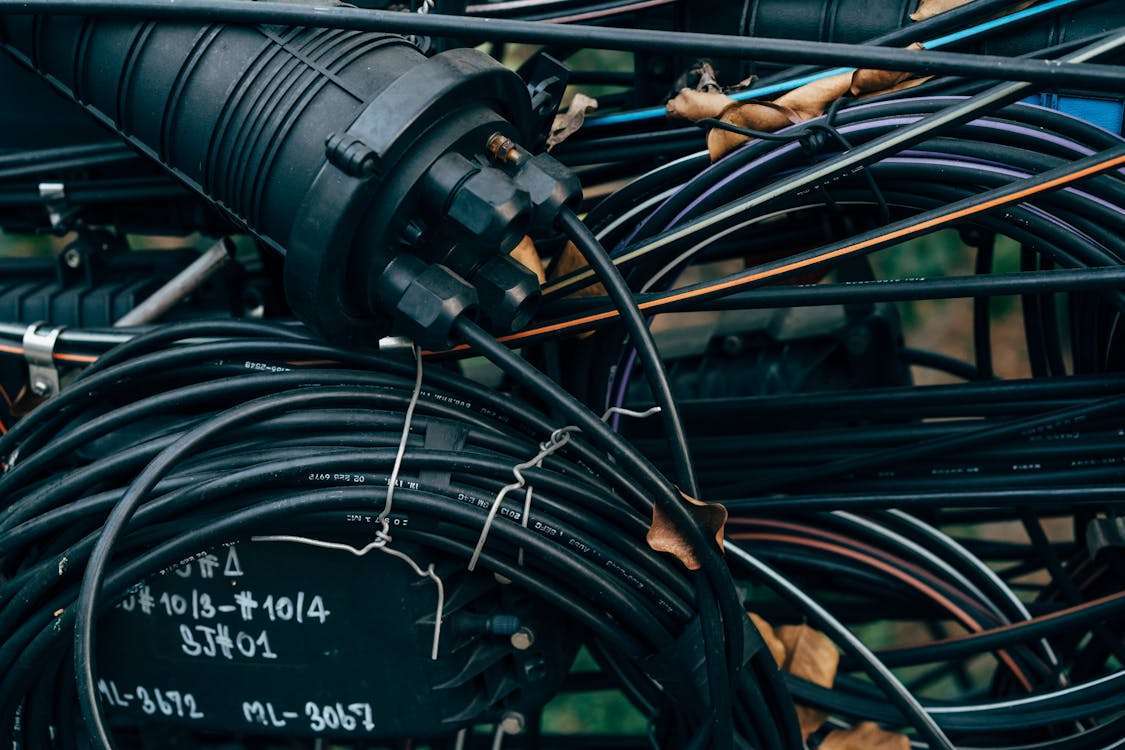
Splicing a 96-count fiber cable is meticulous, precision work. During this phase:
-
Splicing commenced immediately after excavation
-
Services began restoring incrementally as fibers were completed
-
Status updates were continuously communicated
-
A temporary generator issue caused a brief delay, which was promptly resolved
At 22:05 GMT, nearly half of the fibers (49 of 96) had already been successfully spliced, with services steadily coming back online.
Key takeaway:
Cytranet prioritizes progressive restoration, meaning customers regain service as soon as possible—without waiting for every strand to be completed.
Full Restoration and Validation (Hours 28–32)
December 10, 2025 – 00:30 GMT
-
All splicing was completed
-
Fiber was placed back into the ground
-
Services were fully restored and validated
-
NOC confirmed network stability
By 00:43 GMT, all affected services were confirmed operational, and customers were notified.
A formal Root Cause Analysis (RFO) process was initiated to provide customers with documented transparency within 3–5 business days.
Key takeaway:
Restoration doesn’t end when the lights come back on—Cytranet follows through with documentation, analysis, and continuous improvement.
Why This Matters to Your Business
Third-party fiber cuts happen. What matters is how your provider responds.
With Cytranet, you get:
-
✅ 24/7 proactive monitoring
-
✅ Immediate escalation and leadership involvement
-
✅ Real-time, consistent customer updates
-
✅ Experienced fiber splicing and field teams
-
✅ Progressive service restoration
-
✅ Post-incident transparency and documentation
This incident demonstrates our commitment to minimizing downtime, maintaining trust, and delivering enterprise-grade reliability—even under challenging circumstances.
The Cytranet Difference
Connectivity isn’t just a service—it’s the backbone of modern business operations. Whether you’re supporting cloud workloads, voice services, public safety, healthcare, or government operations, downtime isn’t an option.
Cytranet doesn’t promise perfection—we promise preparedness, accountability, and speed.
When the unexpected happens, we’re already in motion.
Ready for a Network Partner That Responds?
If your organization depends on resilient fiber connectivity and a provider that treats outages with urgency and transparency, Cytranet is ready to earn your trust.
Contact us today to learn how our network, monitoring, and response capabilities can support your mission-critical operations—day or night.