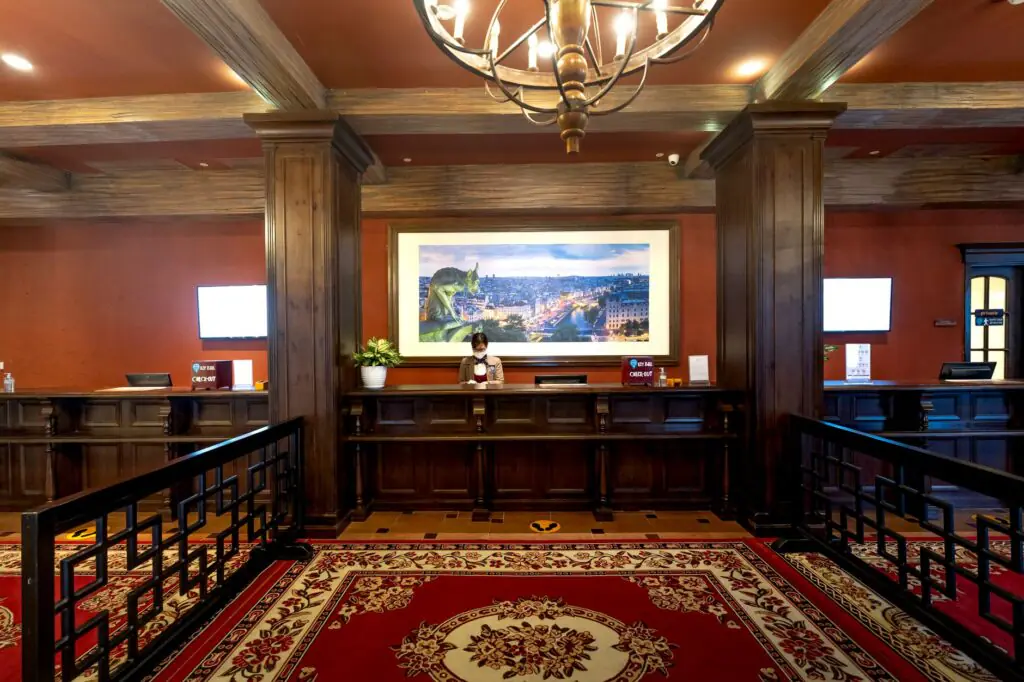

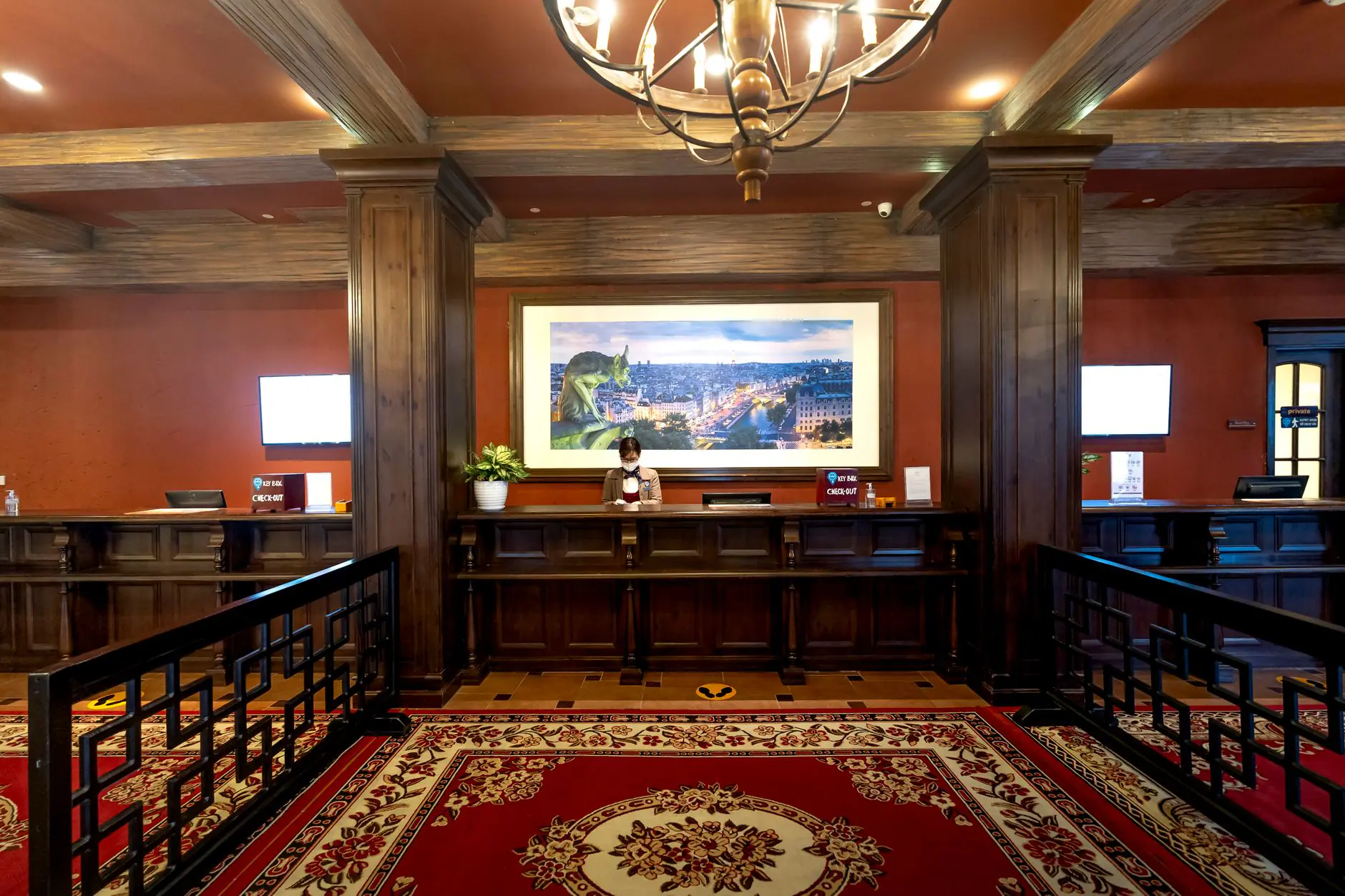
The front desk phone is one of the few pieces of hotel technology that every single guest may touch and almost no one thinks about until it fails. It is also, quietly, one of the most operationally loaded systems on the property. It handles wake-up calls, room-to-room transfers, housekeeping dispatch, maintenance escalation, emergency response, reservations, and the 1:40 a.m. call from a guest who cannot get the thermostat to work.
Hospitality has invested heavily in mobile apps, digital check-in, and messaging platforms over the past decade, and those investments have paid off. But voice has not gone away. It remains the channel guests reach for when something is urgent, complicated, or frustrating — which is to say, precisely when the stakes for your property’s reputation are highest.
This guide covers what a hotel or hospitality operation should expect from its communications infrastructure in 2026, how to evaluate a replacement, and where the common failure points actually are. It is written from the perspective of a carrier that builds these systems, so it is candid about the parts vendors tend to gloss over.
Why Voice Still Matters in a Mobile-First Property
Guests self-serve for simple things. They book online, check in on their phones, and message for towels. What they do not do is self-serve when they are locked out at midnight, when a family member is ill, when the room is wrong, or when they have a request that does not fit a menu. In those moments they pick up the phone, and how that call is handled becomes the memory they take with them.
Operationally, voice carries an equally heavy load on the staff side. Housekeeping coordination, maintenance dispatch, banquet setup changes, security escalation, and shift handoffs all move faster by voice than by any written channel. The property that treats its phone system as a legacy expense usually discovers the cost during a peak arrival window or an emergency.
What a Hospitality Phone System Has to Do
A hotel PBX — Private Branch Exchange, the private telephone network that routes internal and external calls across a property — carries requirements that a standard office phone system simply does not have. When evaluating platforms, these are the hospitality-specific capabilities to insist on.
Property management system integration
This is the single largest differentiator, and it is where most generic business phone quotes fall apart. Your phone system should exchange data with your property management system so that:
- Guest names populate on internal calls, so staff greet callers correctly
- Room status changes — occupied, vacant, clean, out of order — flow between systems automatically
- Do-not-disturb can be set from either the phone or the PMS and is respected by both
- Wake-up calls scheduled at the desk or by the guest execute reliably and log their result
- Extensions are enabled and disabled automatically at check-in and check-out
- Any billable call activity posts to the correct folio without manual reconciliation
Ask any prospective provider to name the specific PMS platforms they have integrated with and to describe the integration method. Vague assurances are a warning sign. Integration is where hospitality projects succeed or fail.
Emergency call handling and location accuracy
When someone dials emergency services from a guest room or a back-of-house extension, dispatchers need a dispatchable location precise enough to send responders to the right floor and room — not just the street address of a 300-room property. Federal requirements around multi-line telephone systems make this a compliance obligation, not a feature. Your system must also notify on-site staff simultaneously so security or management can meet responders at the door and guide them.
If your current provider has never walked you through your emergency location records, that is the first thing to fix, ahead of any other upgrade.
Staff mobility across the property
Housekeeping, engineering, banquet, and security staff are never at a desk. A phone system that only reaches fixed endpoints cannot reach the people who resolve most guest issues. Mobile clients on staff devices and integrated two-way radio systems both have a role here, and the right answer is usually both: softphone applications for supervisors and managers who need full system features, and professional two-way radios for floor staff who need instant, one-to-many, push-to-talk communication that works in stairwells and service corridors.
Intelligent routing that matches your operation
Guest calls should reach the right department on the first attempt. That means routing built around your actual org chart and your actual staffing levels by shift — not a generic template. Overflow paths matter as much as primary paths: what happens at 2 a.m. when the single overnight agent is already on a call is a design decision, and it should be a deliberate one.
Uptime and redundancy
Front desk operations run twenty-four hours a day. A brief outage during a peak check-in window strands guests, stalls arrivals, and generates the kind of review that outlives the incident by years.
Be skeptical of headline uptime numbers. A platform advertising five-nines availability is describing its own cloud infrastructure, not your property’s connection to it. If the building has a single internet circuit, your real availability is the availability of that circuit, regardless of what the platform’s marketing page says. Redundancy at the property — a diverse secondary path with automatic failover — is what actually protects the front desk.
Where the Real Failure Points Are
In our experience, hospitality communications projects rarely fail because the phone platform was bad. They fail for more mundane reasons.
- Undersized or oversubscribed internet. The property added guest Wi-Fi, streaming, cloud PMS, IPTV, and a cloud phone system to a circuit sized years earlier for email and a credit card terminal. Voice is the first thing to degrade.
- Guest and staff traffic sharing one flat network. Without proper segmentation and traffic prioritization, a full house streaming video on a Friday night competes directly with the front desk phone.
- Wi-Fi designed for coverage, not capacity. A survey that shows signal everywhere says nothing about whether 400 simultaneous devices can be served. Guest Wi-Fi complaints are overwhelmingly capacity problems, not coverage problems.
- Cabling and in-room infrastructure nobody budgeted for. Older properties frequently need cabling remediation that only surfaces after contracts are signed.
- Emergency location records that were never maintained. Rooms get renumbered, floors get renovated, and the location database does not follow.
- No plan for the analog stragglers. Elevator phones, pool emergency phones, fire panel lines, and alarm circuits are usually analog and are usually forgotten until cutover night.
Every one of these is preventable with a proper site assessment before the contract, which is why we insist on one.
Beyond the Front Desk: Where the Operational Gains Are
A modern platform earns its keep by removing manual work from shifts that are already stretched.
- Voicemail-to-email and transcription eliminate the message pad and the transcription errors that come with it.
- Automated wake-up calls with logged outcomes replace a manual process that carries real liability when it is missed.
- Call recording and reporting turn reservation and guest-service calls into coachable material and give management actual answer-time data instead of anecdotes.
- Centralized administration across properties lets a regional team change routing, add extensions, or adjust after-hours coverage for any site from one browser, without dispatching a technician.
- Consolidated messaging keeps guest requests, internal coordination, and follow-up in one thread rather than scattered across personal phones.
The compounding benefit is staff time returned to the floor. Every minute the front desk is not spent logging a message manually is a minute available for the guest standing in front of them.
How Cytranet Builds Hospitality Communications
Cytranet is a licensed Nevada telecommunications carrier working exclusively with business, nonprofit, and government customers across Nevada, Arizona, California, and the broader Southwest. Hospitality sits squarely in what we do, because a hotel is one of the few environments that needs every layer of the stack to work together at once.
A property engagement with us typically covers:
- Connectivity. Dedicated fiber internet sized for guest and operational load, or licensed fixed wireless where fiber delivery timelines do not fit a renovation schedule. Diverse secondary paths where the property cannot tolerate downtime.
- Voice. Hosted PBX, UCaaS, and SIP trunking, with call flows designed around your departments, shifts, and overflow rules — including the analog endpoints that still need to work.
- Managed Wi-Fi. Designed and validated for capacity at full occupancy, with guest and operational traffic properly segmented and voice prioritized.
- Staff communications. Professional two-way radio systems for housekeeping, engineering, and security, with dispatch software and GPS tracking where the property or campus warrants it.
- Private transport and colocation for multi-property groups that need sites connected to each other rather than each connected separately to the public internet.
“Hotels get sold a phone system when what they actually need is a communications plan,” said Doug Roberts, Chief Technology Officer of Cytranet. “We walk the property before we quote anything — the closets, the cabling, the Wi-Fi, the elevator phone, the circuit that everything rides on. Nearly every hospitality horror story I have heard started with a vendor who never left the lobby.”
Frequently Asked Questions
Can we keep our existing phone numbers and extensions?
Yes. Published numbers port to the new platform, and internal extension numbering is normally preserved so staff and printed materials do not need to change. Number porting is scheduled work with a defined cutover window, and every line — including fax, elevator, alarm, and fire panel circuits — should be inventoried before the date is set.
Does a cloud phone system work for a property with limited internet options?
It depends on what is actually available at the address, which is worth verifying rather than assuming. Where fiber is not yet built out or the construction timeline is too long, licensed fixed wireless can deliver symmetrical, business-grade service on a much shorter schedule. In some cases a hybrid design — cloud voice with local survivability for critical endpoints — is the right answer for a property in a constrained location.
What happens to guest room phones?
Guest room extensions continue to work normally. Depending on the property’s existing in-room hardware, rooms may keep their current analog phones behind a gateway or move to new endpoints. Which approach makes sense is a cost and renovation-timing question, and it should be settled during the site assessment rather than during the install.
How disruptive is a cutover to daily operations?
Cutovers are typically scheduled overnight during a low-occupancy window, with the legacy system kept available as a fallback until the new platform is verified. The disruptive projects are the ones where cabling problems or forgotten analog lines surface at 2 a.m. A thorough pre-install assessment is what keeps that from happening.
Can one system manage several properties?
Yes, and for multi-property groups that is usually the point. A single administrative portal covers all sites, staff can dial between properties as internal extensions, routing and after-hours coverage can be adjusted centrally, and reporting rolls up across the portfolio rather than being assembled property by property.
How do we make sure emergency calls send responders to the right room?
Each endpoint is provisioned with a dispatchable location that identifies the building, floor, and room, and on-site notification is configured so staff are alerted the moment an emergency call is placed. These records need to be reviewed after any renovation or renumbering. We treat the location database as an ongoing obligation, not a one-time setup task.
Talk to Cytranet About Your Property
If your property is planning a renovation, opening a new site, coming to the end of a communications contract, or simply living with a phone system that no longer matches how the operation runs, a site assessment is the right first step. We will look at the circuit, the cabling, the Wi-Fi, the call flows, and the endpoints that everyone forgets — and then tell you what the project actually involves.
Call Cytranet at 702-846-5000 or email info@cytranet.com to schedule a hospitality communications assessment.