

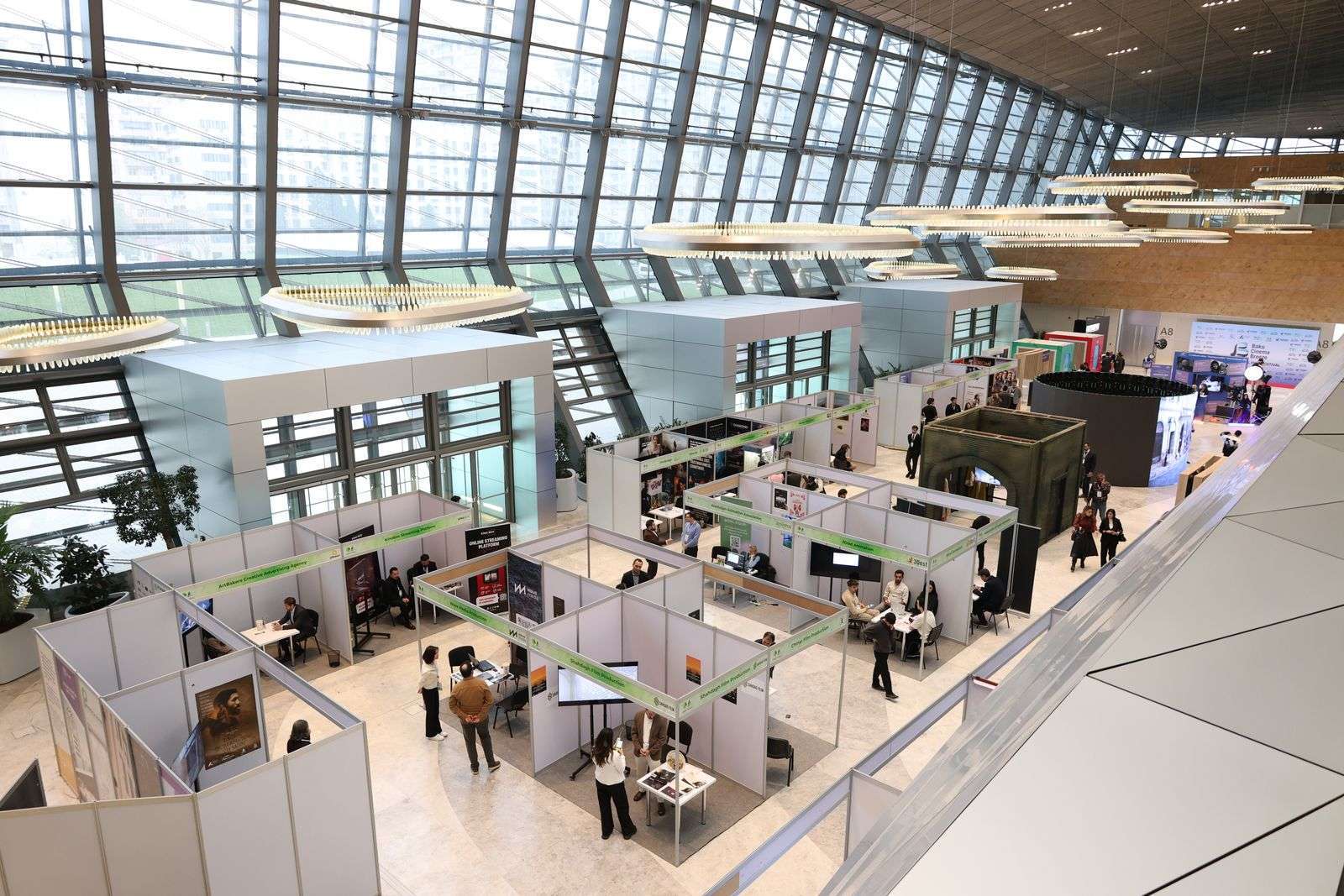
Las Vegas knows a thing or two about big events. Conventions, trade shows, festivals and corporate gatherings bring enormous crowds for a few days, and nearly everyone in attendance expects to be online the whole time. Exhibitors need reliable connections for demos and payment terminals. Organizers need registration systems, live streams and radios that work. Attendees want to post, share and message constantly.
Building a network for that kind of demand is a different discipline than connecting an office, according to Doug Roberts, chief technology officer of Cytranet.
“An office network is built to last for years. An event network has to be designed, installed, tested, run at full intensity and then removed, sometimes within a week,” Roberts said. “There is no second chance on opening morning.”
Start with how the space will actually be used
Every event network begins with questions about people and places. How many attendees and exhibitors are expected? Where will crowds gather? Which booths or stages need wired connections for streaming, point of sale or product demos? Will there be outdoor areas, parking lots or overflow spaces?
Roberts said the answers shape everything from the size of the upstream connection to the number and placement of wireless access points. Dense rooms need many access points with careful channel planning so devices do not drown each other out. Keynote halls can be especially demanding, because thousands of people may reach for their phones at the same moment.
“Capacity planning for events is really about peaks,” he said. “The average load can look modest. What matters is the moment the keynote ends and everyone uploads a photo at once.”
Getting bandwidth to places that do not have it
Some venues have strong built-in connectivity. Many event sites do not, especially outdoor locations, temporary structures and rural properties. In those cases, the network needs a way to bring bandwidth in quickly. Options include fixed wireless links from nearby towers, satellite service, bonded cellular connections and self-contained units such as portable trailer event internet.
Redundancy is a priority. Roberts said event networks should have more than one path to the internet whenever possible, so a single failure does not take the event offline in front of thousands of people.
Segmenting the network
A single open Wi-Fi network for everyone is rarely a good idea. Event networks are typically divided into separate segments for organizers, exhibitors, payment systems, production crews and the public. Each can have its own bandwidth limits and security rules.
That separation keeps a crowd of attendees from slowing down ticket scanners or credit card readers, and it protects sensitive traffic from the public network. It also makes troubleshooting faster, because the team can see which group is having trouble.
More than internet
Events depend on communications beyond Wi-Fi. Security, operations and production crews often coordinate by two-way radio, and some events add cameras monitored through a video management system. Cytranet provides two-way radio and video management alongside connectivity, which Roberts said simplifies coordination.
“When the internet team, the radio team and the camera team all work together, the planning meetings get shorter and the event runs smoother,” he said. “Fewer handoffs means fewer surprises.”
Staffing the show
An event network needs people on hand while it is live. Roberts said on-site technicians and a monitored network let problems be spotted and fixed before most attendees notice. Exhibitors who cannot connect, a booth that needs an extra drop, a stage that suddenly needs more bandwidth for a stream: these requests arrive all day long.
“The best event networks are invisible. People just use them,” Roberts said. “Behind that is a team watching dashboards, walking the floor and answering the radio.”
Tips for event planners
- Bring your network provider into planning early, especially for outdoor or first-time venues.
- Share floor plans, expected attendance and a list of critical systems such as payment and streaming.
- Ask about redundancy and what happens if the primary connection fails.
- Plan separate networks for public, exhibitor and operations use.
- Confirm who will be on site during the event and how to reach them.
For more on how Cytranet approaches large venue wireless, see the overview of managed Wi-Fi for event venues.
Built for the moment
Cytranet has spent more than a decade supporting businesses and organizations across the Southwest, and events are a natural fit for a Las Vegas-based carrier. Roberts said the work is demanding but satisfying because the results are so visible.
“You see thousands of people connecting, sharing and doing business, and you know the network made that possible,” he said. “Then you pack it all up and get ready for the next one.”
Testing before the doors open
Roberts stressed that installation day is not the finish line. Once equipment is in place, the team tests coverage throughout the venue, confirms that each network segment behaves as intended, and pushes traffic through the system to see how it handles load. Payment terminals, badge scanners and streaming encoders are checked individually, because those are the systems that cause the most visible problems if they fail.
Load-in days can also be chaotic, with exhibitors setting up, forklifts moving and walls going up that were not in the original drawings. Temporary structures and signage can block wireless signals in unexpected ways, so a final walkthrough the night before opening often leads to last-minute adjustments.
Event organizers can contact Cytranet to discuss connectivity for an upcoming show.