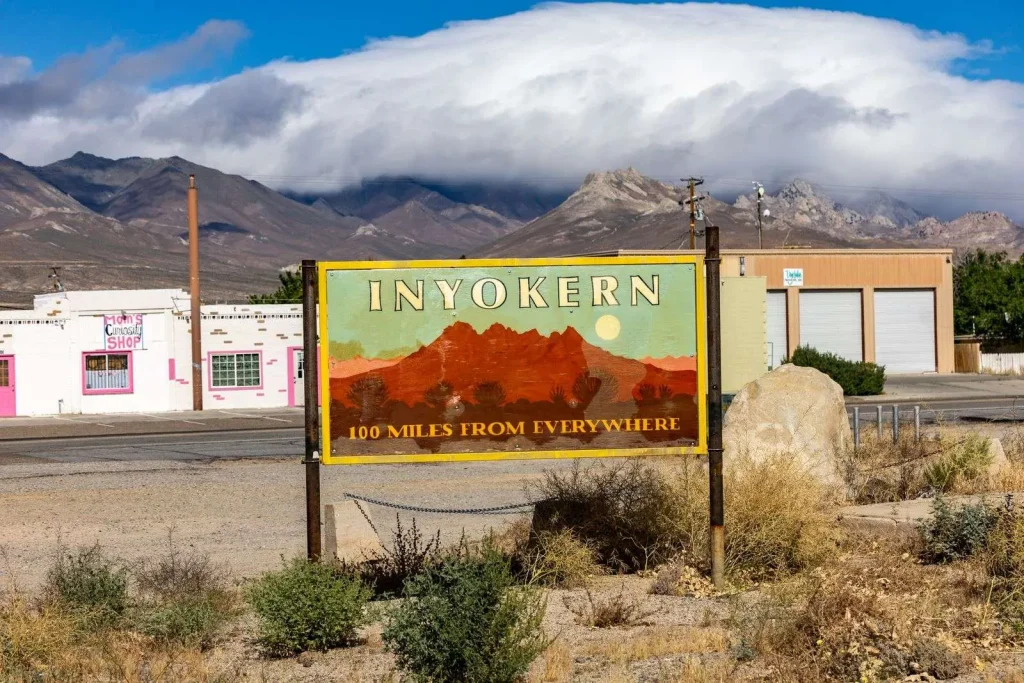
About an hour northeast of Las Vegas, the Moapa Valley feels a world away from the Strip. Farms, family businesses, schools and small offices dot communities like Logandale, Overton and Moapa. People there run feed stores, clinics, contractors, restaurants and agricultural operations, and all of them depend on the internet in ways that would have been hard to imagine twenty years ago.
Yet rural businesses have often had to settle for connections built for households, not companies. Doug Roberts, chief technology officer of Cytranet, says that does not have to be the case.
“A business in Logandale processes credit cards, runs cloud software and answers customer calls just like a business in Summerlin,” Roberts said. “They should not have to accept a lesser connection just because of their zip code.”
What makes rural connectivity different
The challenge in small towns is rarely demand. It is economics and geography. Running fiber over long distances to reach a small number of customers is expensive, and terrain can make construction slower. That has historically left rural areas with fewer providers and fewer choices.
Roberts said the solution is usually a mix of technologies chosen for each location rather than a single approach for everyone.
- Fixed wireless uses radio links from towers to a receiver on the business, delivering dedicated, business-grade service without trenching fiber to every property.
- Fiber remains the gold standard wherever it can be reached, and it is often the backbone that feeds wireless towers in the area.
- Satellite service, including newer low-earth-orbit options, can reach the most remote sites or serve as a backup path.
Cytranet provides all three, including fixed wireless and professional satellite internet installation, which lets the team design around what actually works at a given address.
Business-grade means more than speed
Speed tests get the attention, but Roberts said rural businesses often care more about consistency and support. A connection that slows every evening, or that goes down for days while waiting for a technician, can hurt a small business more than a lower advertised speed.
“Business service is about what happens when something goes wrong,” he said. “Who do you call, how fast do they respond, and do they understand that your livelihood is on the line? That matters just as much in a small town as anywhere else.”
Cytranet provides 24/7 support, and Roberts said being a regional carrier based in Las Vegas makes it practical to serve communities within driving distance.
What reliable internet unlocks
With dependable connectivity, rural businesses can adopt the same tools their urban peers use. Cloud phone systems let a small office route calls professionally and forward them to mobile phones in the field. Cloud accounting and inventory systems stay in sync. Security cameras can be viewed remotely. Staff can join video meetings with suppliers and partners without choppy audio.
For agricultural operations and larger properties, reliable links can extend connectivity to barns, shops and equipment yards. Two-way radio and managed Wi-Fi can fill in the gaps across a spread-out site.
“When the connection is solid, a rural business can compete with anyone,” Roberts said. “Their customers do not care where the office is. They care whether the business picks up the phone and processes the order.”
Community by community
Roberts said each small town has its own character and its own infrastructure. The approach that works in the Moapa Valley may differ from what makes sense in other rural communities, depending on terrain, existing towers and nearby fiber. Cytranet maintains location pages for many of the communities it serves, including Moapa business internet and Logandale business internet, as well as a broader overview of rural business internet options.
Advice for small-town business owners
Roberts offered a few suggestions for rural businesses shopping for connectivity:
- Ask whether the service is built for business, with support commitments to match.
- Find out what technology will be used at your specific location, not just in the general area.
- Consider a backup connection, especially if you take card payments or rely on cloud software.
- Think about the whole property, including outbuildings and outdoor areas that need coverage.
Closing the gap
Cytranet has spent more than a decade serving businesses, nonprofits and government agencies across the Southwest, and Roberts said rural work remains close to the company’s heart.
“There is real satisfaction in connecting a business that has been struggling with its internet for years,” he said. “When they tell us it finally just works, that is the whole point.”
How installation typically works
For fixed wireless, the process usually starts with a site survey to confirm there is a clear line of sight from the business to a nearby tower. Hills, trees and even tall farm structures can affect the path, so the survey determines where an antenna should be mounted and whether a small mast is needed. Once that is settled, installation is often quick compared with building new fiber.
Satellite installations focus on a clear view of the sky and a secure mounting point that can stand up to desert wind and heat. Inside the building, the connection is brought into a router and, where needed, a managed Wi-Fi system that covers the space properly.
“Good installation is half the service,” Roberts said. “A well-placed antenna and clean cabling prevent a lot of support calls later.”
Businesses in the Moapa Valley and other rural Nevada communities can contact Cytranet to find out what service is available at their location.
Talk to Cytranet
A business-only carrier for fiber internet, cloud voice, managed Wi-Fi, and managed IT. Start with a free technology evaluation.