

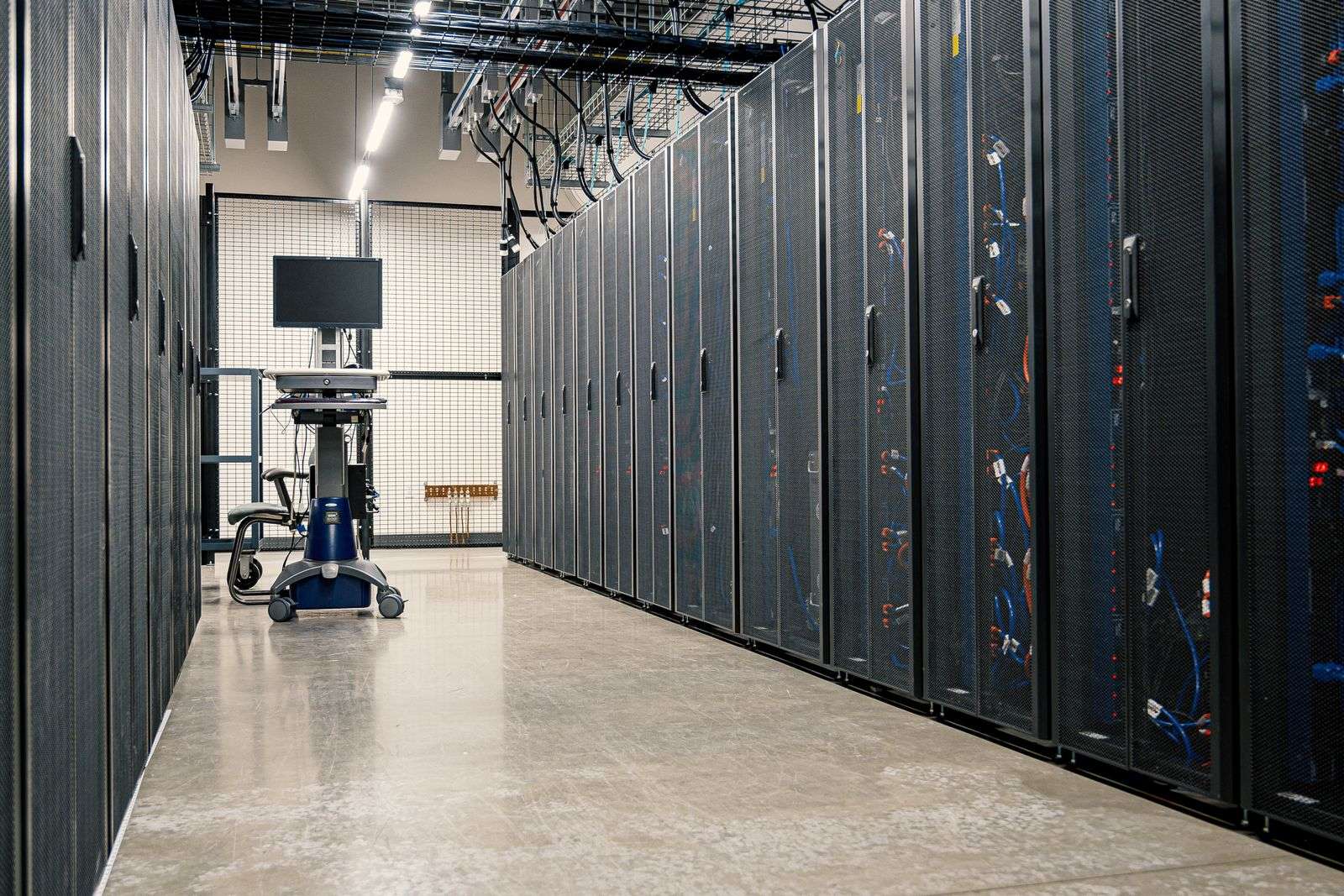
How one regional telecom provider is betting big on AI-driven network security.
When Doug Roberts picks up the phone, he sounds like a man who has not slept much lately, but not because anything is going wrong. Quite the opposite. The chief technology officer of Cytranet, a telecom and internet services provider serving business, government, and enterprise clients, has spent the better part of the last several months overhauling how his company thinks about cybersecurity, and he is eager to talk about it.
The timing makes sense. Across the industry, network operators are grappling with an explosion of sophisticated threats targeting critical infrastructure. State-sponsored attacks on telecom networks have dominated headlines, and the recent wave of AI-powered intrusion attempts has forced even the largest carriers to rethink their defensive postures. For a company like Cytranet, which counts government agencies and enterprises among its core customers, the stakes could not be higher.
Roberts said the company has rolled out a new AI-driven threat detection layer across its network infrastructure, one that he described as a fundamental shift in how Cytranet protects its customers rather than just an incremental upgrade.
“The old model of cybersecurity was essentially reactive,” Roberts explained. “You built your firewalls, you monitored your logs, you responded to incidents after they happened. What we have done is deploy machine learning models that are constantly analyzing traffic patterns across our entire network in real time. We are catching anomalies before they become breaches, and we are doing it at a speed that would be impossible with human analysts alone.”
He was quick to clarify that this does not mean Cytranet is replacing its security team with algorithms. “We still have very talented people making the critical decisions,” he said. “But those people are now armed with tools that surface the right information at the right time. The AI handles the noise so our engineers can focus on what actually matters.”
The investment comes at a moment when the broader telecom industry is navigating a complicated landscape. Fiber buildouts continue at a rapid pace across the country, consolidation among regional providers shows no signs of slowing down, and the demand for reliable and secure connectivity from enterprise and government clients has only intensified in the wake of high-profile breaches at major carriers.
Roberts acknowledged that being a mid-sized provider in this environment presents unique challenges, but he also sees it as an advantage. “We are not trying to be everything to everyone,” he said. “Our customers come to us because they need a partner who actually picks up the phone, who understands their specific environment, and who can move fast when something needs to change. Try getting that from one of the big national carriers.”
That agility, Roberts argued, is exactly what allowed Cytranet to deploy its new security capabilities faster than many larger competitors. He said the company went from initial proof of concept to full production deployment in under six months, a timeline he attributed to a lean decision-making structure and a team that is deeply familiar with the network it operates.
The government side of the business has been particularly receptive. Roberts said several public sector clients have already seen measurable improvements in threat detection rates since the new system went live. Without getting into specifics he could not share publicly, he described one instance where the AI flagged a subtle pattern of data exfiltration that had gone unnoticed for weeks under the previous monitoring setup.
“That one case alone justified the entire investment,” he said. “When you are handling traffic for agencies that deal with sensitive information, you cannot afford blind spots.”
Looking ahead, Roberts said Cytranet is exploring how to extend its AI capabilities beyond security into network optimization and predictive maintenance. He envisions a future where the company can anticipate hardware failures or capacity bottlenecks before they affect customers, essentially turning the network into a self-healing system.
“We are not there yet,” he admitted with a laugh. “But the foundation we have built with the security work gives us a platform to build on. The same machine learning infrastructure that watches for threats can be trained to watch for performance degradation or equipment issues. It is really about making the network smarter at every level.”
For an industry that sometimes feels dominated by a handful of massive players, Roberts and Cytranet represent a different kind of story. It is the story of a regional provider that is not content to simply resell commodity bandwidth but is instead investing in the kind of technology that its largest competitors are still figuring out how to deploy.
When asked what keeps him motivated, Roberts did not hesitate. “Our customers trust us with their most critical communications,” he said. “Government agencies, hospitals, businesses that cannot afford downtime. That responsibility is not something I take lightly. Every time we make the network smarter or more secure, we are honoring that trust. That is what gets me out of bed in the morning, even when I have not gotten much sleep.”