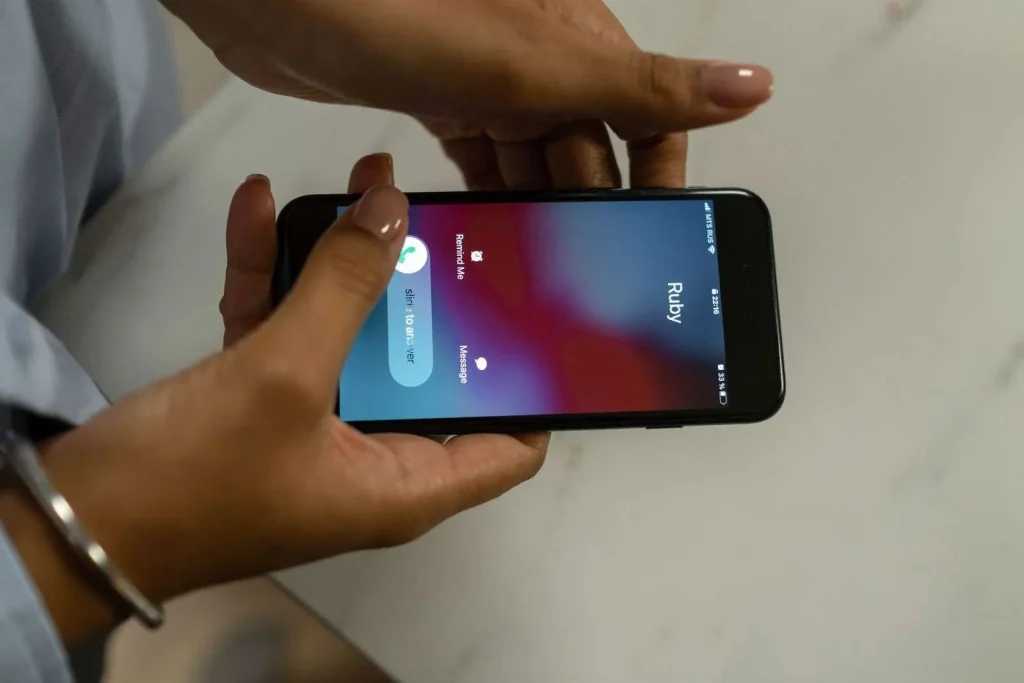
A dental office calls a patient to confirm tomorrow’s appointment. The patient’s phone lights up with two words: “Spam Likely.” The call goes unanswered, the appointment slot goes empty, and nobody at the practice knows why confirmations have quietly stopped working.
That scene plays out across countless legitimate businesses every day. Years of illegal robocalls have trained people to ignore unknown numbers, and phone carriers have responded with increasingly aggressive filtering and labeling. The tools help stop fraud, but they also catch honest callers in the net.
Doug Roberts, chief technology officer of Cytranet, a Las Vegas-based business-only carrier that provides cloud voice service, hears about the problem often. “Businesses come to us frustrated because their calls look suspicious even though they are doing nothing wrong,” he said. “The good news is that most of the time there are clear, fixable reasons, and the industry has built real tools to help legitimate callers prove who they are.”
How call authentication works
The phone network was originally built on trust. Caller ID was simply information the calling system sent along, and it could be set to almost anything. Scammers took advantage by spoofing numbers, making calls appear to come from local area codes, government agencies or even the recipient’s own number.
To address this, the industry developed a framework known as STIR/SHAKEN, which U.S. regulators have required most voice providers to implement on their IP networks. In simple terms, when a call starts, the originating carrier digitally signs it with an attestation level that says how confident it is that the caller has the right to use the number shown:
- Full attestation means the carrier knows the customer and knows they are authorized to use that number.
- Partial attestation means the carrier knows the customer but cannot confirm their right to the specific number.
- Gateway attestation means the carrier is passing along a call it received from elsewhere and cannot vouch for its origin.
The receiving carrier checks that signature and uses it, along with other signals, to decide how to display the call.
“Attestation is basically a carrier putting its name behind a call,” Roberts said. “When we sign a customer’s call with full attestation, we are saying we know this business and this number belongs to them. That is a meaningful signal to the network on the other end.”
Why good calls still get flagged
Authentication helps, but it is not the whole story. Carriers and analytics firms also look at calling behavior. Common triggers include:
- High volumes of short outbound calls from a single number in a short time.
- Low answer rates, which can signal that recipients do not recognize the caller.
- Numbers that were previously used by someone else and inherited a bad reputation.
- Showing a caller ID number the business does not actually own, such as a main number routed through a third-party calling platform that cannot attest to it.
- Complaints from recipients who report the number.
A business that sends appointment reminders, collections calls or sales follow-ups from one number can easily fit the pattern of a robocaller without doing anything improper.
How to fix it
Use a provider that signs your calls properly
Make sure your business voice provider knows your organization and can attest to the numbers you use. If calls are placed through outside platforms, such as dialers or reminder services, confirm how they handle authentication for your numbers.
Register your numbers
Several industry registries allow businesses to register their outbound numbers with details about who they are and why they call. This information is shared with the analytics providers that feed carrier labeling decisions. It is one of the most effective steps a business can take.
Consider branded caller ID
Showing your business name, and in some cases a logo, on the recipient’s screen builds instant recognition. Cytranet explains the concept in its guide to branded caller ID.
Spread and pace outbound calling
Rather than blasting hundreds of calls from a single number in an hour, pace them, and use a sensible set of numbers dedicated to specific purposes. Avoid rotating through numbers just to dodge labels, which can make matters worse.
Monitor and request corrections
Check your numbers periodically, watch answer rates, and when a number is mislabeled, submit correction requests through the channels the major carriers and analytics firms provide.
“There is no single switch that makes the label go away,” Roberts said. “It is a combination of proper attestation, registration, good calling habits and a little monitoring. When businesses do those things consistently, we see answer rates recover.”
Think about the whole call experience
Getting through is only half the battle. When patients or customers call back, they should reach a real person or a clear menu quickly. Thoughtful call routing and consistent use of the same recognizable numbers help build trust in both directions. Many businesses also send a text before calling so the recipient knows to expect it.
“Trust on the phone network is being rebuilt one call at a time,” Roberts said. “We are glad to be part of that. When an honest business’s calls start getting answered again, it makes a real difference to their day.”
Cytranet provides cloud voice, unified communications and 24/7 support to organizations across the Southwest. Businesses struggling with flagged calls can reach the team through the contact page for a review of their numbers and calling setup.
“Most of the fixes are straightforward once you know where to look,” Roberts said. “We enjoy helping customers get their good name back on the caller ID.”
Talk to Cytranet
A business-only carrier for fiber internet, cloud voice, managed Wi-Fi, and managed IT. Start with a free technology evaluation.