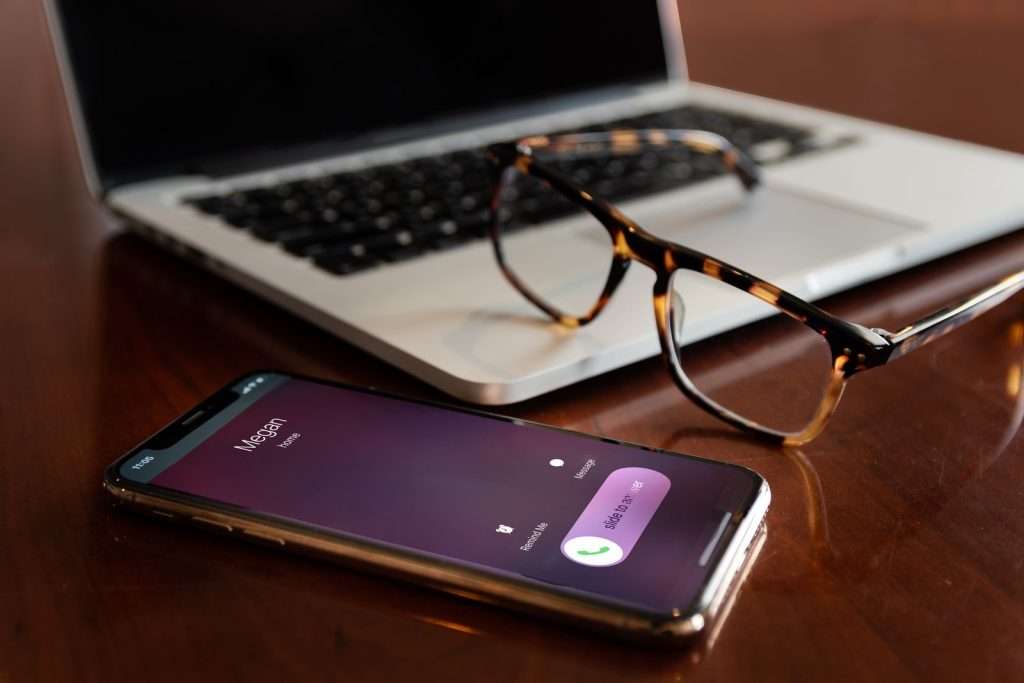
Few things are as frustrating for an outbound team as a sudden, unexplained drop in answer rates. The script has not changed, the contact list looks healthy, and the agents are working as hard as ever, yet fewer people are picking up. Managers often spend weeks reworking messaging and lead sources before someone thinks to check the most basic detail of all: what the recipient sees when the phone rings.
If your business number is showing “Spam Likely” or a similar warning, you are not alone, and the situation can usually be improved. We have previously explained why legitimate business calls get labeled as spam. This guide picks up where that article leaves off. Once a number has already been flagged, how do you actually recover it? The process is known as caller ID remediation, and doing it properly takes more than filling out a form.
At Cytranet, we are a licensed, business-only carrier providing cloud voice and SIP trunking, so we see this issue from the network side. Here is how we recommend approaching it.
Key Takeaways
- Remediation means addressing incorrect or negative labels and reputation problems on legitimate business numbers.
- There is no master switch. Carriers and analytics providers run separate systems, so success with one does not guarantee success with another.
- Removing a label is only half the job. If calling practices caused the flag, the label is likely to return.
- Replacing a number is not always the answer. It can preserve continuity, but it abandons the recognition your existing number has earned.
- Verify the outcome. Confirm the change on the affected networks, and keep monitoring.
What Is Caller ID Remediation?
Caller ID remediation, sometimes called phone number remediation, is the process of correcting negative or inaccurate spam and scam classifications attached to a legitimate business number. Depending on the situation, it can involve verifying business information, correcting number details, filing a review or dispute with the party responsible for the label, and changing the calling practices that contributed to the problem.
The key point is that no single authority controls these labels. Wireless carriers, the analytics companies that work with them, and call-blocking apps each maintain their own reputation data and apply their own criteria. That fragmented structure explains why a number may look perfectly normal on one network and carry a warning on another.
Signs That a Number Needs Attention
Some indicators are obvious, while others take a closer look:
- Customers mention seeing warnings such as “Spam Likely,” “Scam Likely,” or “Potential Spam” when you call
- Calls appear to be blocked, or they are handled differently on certain networks
- Answer or connection rates fall even though targeting and agent performance have not changed
- A monitoring tool reports a new negative status for a number
- Staff hear from customers that “your office never called me,” despite call records showing otherwise
Pay special attention to patterns by carrier. If answer rates hold steady for customers on two networks but collapse on a third, that points to a network-specific label rather than a problem with your message.
Why It Matters to Your Business
People are already reluctant to answer calls they cannot identify. One 2026 industry study found that 86 percent of calls from unidentified numbers go unanswered. A 2024 consumer survey found that 80 percent of respondents reported blocking calls from numbers they did not recognize, while 73 percent said they would be more likely to answer if a company’s name and logo appeared. A spam label makes an already difficult situation considerably worse.
The practical costs add up quickly. Sales agents dial prospects who never see a trustworthy call. Medical offices lose appointment confirmations. Service companies cannot reach customers to schedule visits. Perhaps most troublesome, a flagged number can distort your analytics, leading you to rewrite a good script or abandon a good list because the true cause never showed up in your reports.
The Seven-Step Remediation Process
The exact procedure varies by provider, but a complete recovery generally follows this path.
1. Identify the affected numbers
Start with an inventory of every outbound number, including those used by third-party platforms such as dialers, reminder services, and marketing tools. Review reputation reports and customer feedback, then record which numbers are affected and how.
2. Determine where the label appears
Test each number across the major wireless networks, and note precisely what displays on each. Knowing which carrier or analytics provider is responsible keeps you from assuming a single request will solve everything.
3. Gather your verification details
Providers may ask for your legal business name, address, contact information, and evidence that you are authorized to use the number. Having this ready, and making sure it matches across your records, helps avoid delays. Your voice provider can often help confirm number ownership.
4. Examine what may have contributed
Before you submit anything, take an honest look at recent activity:
- Sudden increases in call volume or changes in dialing patterns
- Repeated attempts to the same recipients in a short period
- Very short call durations and low answer rates
- Complaints, or opt-out requests that were not honored
- Inaccurate caller name information
- Calls placed through an outside platform that cannot properly attest to your number under STIR/SHAKEN
- A recently assigned number that inherited a poor history from its previous user
The goal is to determine whether you are dealing with a mistaken classification, a behavior problem, or a combination of the two.
5. Submit the correct request
Use the review or dispute process offered by each responsible provider. Be concise and factual. Explain who you are, why you call, and why the classification should be reconsidered. Please keep in mind that submitting a request does not guarantee approval, since each provider applies its own standards.
6. Fix what caused the problem
Address contributing issues during the review, not afterward. That may mean pacing your outbound calls, cleaning your lists, honoring opt-outs promptly, correcting your caller name, or changing how an outside platform presents your numbers. Our guides to power dialers and auto dialer software include practical advice on responsible calling habits.
7. Confirm the result and keep watching
Do not assume success because a form was accepted. Check the display on each affected network, and continue to monitor the number, since problems can recur.
Why the Root Cause Matters So Much
Imagine a company that successfully clears a label but keeps dialing the same purchased list at the same pace from the same number. Recipients continue to report the calls, the analytics models see the same signals, and the warning returns. The company has spent time and effort and ended up exactly where it began.
Lasting recovery comes from treating the label as a symptom. Good habits include using separate numbers for distinct purposes, such as customer service, reminders, and sales, while avoiding the temptation to cycle through numbers just to dodge labels, which can make matters worse. Sending a text before an important call can also help, provided you have the proper consent. Our business text messaging guide explains how to approach that well.
Should You Remediate or Replace the Number?
This is often the first question a frustrated manager asks, and the answer depends on the number’s value and how urgently you need to keep calling.
| Situation | Remediate | Replace |
|---|---|---|
| Long-established number that customers recognize | Usually the better choice | Risks losing recognition |
| Number printed on signage, vehicles, or marketing | Usually the better choice | Costly and disruptive |
| Campaign that cannot pause | Pursue in parallel | Useful for continuity |
| Low-value number with a poor inherited history | May not be worth the effort | Often reasonable |
| Same calling practices will continue | The label is likely to return | The new number is at risk too |
Many organizations do both, moving temporarily to another number to maintain operations while recovering an important existing one. Whichever route you choose, neither option eliminates the need to correct the underlying cause. If you do keep the number, remember that number porting allows you to bring it along when changing providers.
How Long Does It Take?
There is no universal timeline, and you should be wary of anyone who promises one. The duration depends on the provider’s procedures, the type of classification, how complete your verification details are, whether behavior also needs to change, and how often each provider updates its data. One network may reflect a change well before another. Rather than relying on an estimated completion date, check when the status actually changes.
Remediation, Registration, Monitoring, and Reputation Management
These terms are often used interchangeably, but they serve different purposes:
| Process | Main purpose |
|---|---|
| Registration | Associates a legitimate business identity with a phone number |
| Monitoring | Detects spam labels and reputation changes across networks |
| Remediation | Addresses existing negative labels through review, dispute, and correction |
| Reputation management | Supports number health over time through monitoring and sound practices |
Identity tools such as caller name (CNAM) records and branded caller ID can help recipients recognize you, although registration alone does not guarantee protection from labels. Registration establishes who you are, monitoring tells you when something changes, and remediation fixes what has gone wrong.
How to Tell Whether It Worked
Review these indicators after each request:
- Display and status: Has the negative classification disappeared on the affected network?
- Consistency: Do other carriers and analytics providers still show a problem?
- Stability: Does the number stay clean over the following weeks?
- Performance: How do answer and connection rates compare with the period before the flag?
Performance data offers useful context, but it is not conclusive. Better answer rates may reflect a stronger list or better timing. The most reliable evidence is a verified change in the classification itself, supported by continued monitoring.
Frequently Asked Questions
Can every spam label be removed?
Not with a single request, and no one can honestly guarantee removal across every carrier, device, and analytics provider. Each maintains its own data and criteria, so separate reviews are often needed.
Does STIR/SHAKEN prevent spam labels?
Not by itself. Attestation tells the receiving network how confident the originating carrier is about your right to use a number. It is an important signal, but labeling decisions also weigh behavior and complaints.
Why was my number flagged when we did nothing wrong?
Legitimate calling can resemble robocalling. High volumes of short calls, low answer rates, or a number with a poor previous history can all trigger a label without any wrongdoing on your part.
Will changing phone providers fix the problem?
Not automatically, because labels are tied to numbers and calling behavior. A provider that knows your organization and can attest to your numbers properly can certainly help, however, particularly if your current setup is part of the problem.
Get Your Good Name Back on the Caller ID
Recovering a flagged number is a process: find the problem, trace it to the source, make your case, correct the cause, and verify the result. With consistent attention, many organizations see their calls treated as what they are, legitimate business communication.
Cytranet can help you review your numbers and calling setup, and our cloud voice and SIP trunking services are backed by U.S.-based engineers who answer by phone, text, and email 24 hours a day, 365 days a year. As a business-only carrier headquartered in Las Vegas and serving all 50 states, we know our customers and the numbers they use. Call or text 702-846-5000, email info@cytranet.com, or start with a free technology evaluation.
Talk to Cytranet
A business-only carrier for fiber internet, cloud voice, managed Wi-Fi, and managed IT. Start with a free technology evaluation.