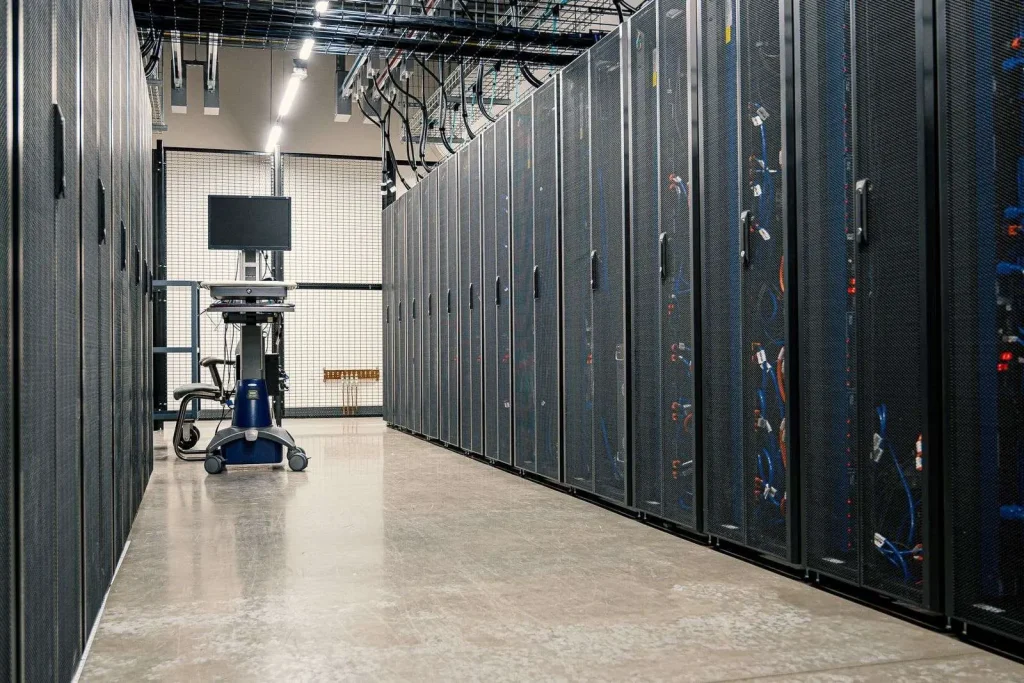
Drive around Southern and Northern Nevada and the signs are easy to spot: large, windowless buildings, new electrical substations and construction crews laying conduit along roads that used to see little traffic. Nevada and the broader Southwest have become attractive places to build data centers, thanks to available land, relatively low risk from certain natural disasters, and a business-friendly environment.
Most of the headlines focus on the biggest projects. Doug Roberts, chief technology officer of Cytranet, is more interested in what that growth means for the dentist, the law office and the warehouse down the street.
“Data centers get talked about like they only matter to large technology companies,” Roberts said. “But the infrastructure that follows them, the fiber, the power upgrades, the skilled workforce, ends up touching everyone in the region.”
More fiber in more places
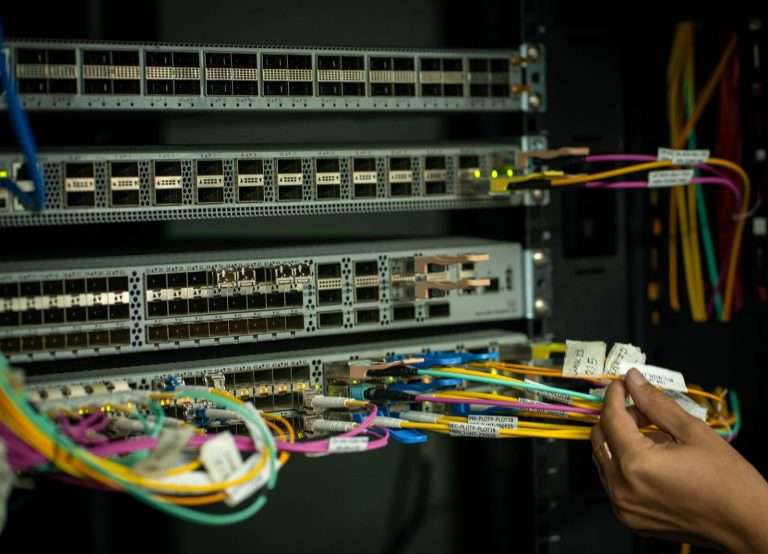
Data centers need enormous amounts of connectivity, often with multiple diverse fiber routes for redundancy. When new routes are built to serve them, the fiber passes through neighborhoods, business parks and corridors along the way. Over time, that can make it more practical to extend business fiber internet to locations that were once expensive to reach.
Roberts cautioned that this does not happen automatically. Long-haul routes built for a single campus do not always offer easy connection points for nearby buildings. But more fiber in the ground generally gives regional carriers more options.
“Every new route is a potential building block,” he said. “Our job is to connect those pieces so local businesses benefit too.”
Power is part of the conversation
Large data centers consume a lot of electricity, and that has pushed power planning into public discussion. Utilities and regulators across the West are weighing how to meet growing demand while keeping service reliable for homes and businesses.
For local companies, Roberts said the takeaway is practical rather than alarming. Businesses that depend on technology should think about their own resilience: battery backup for network equipment, generator plans where appropriate, and a recovery strategy that assumes an outage could happen.
“Power and connectivity have always been linked. Now more people are paying attention to that link,” he said. “That is a good thing, because it pushes everyone to plan better.”
Local options for local workloads
Not every business needs its own server room, and not every workload belongs in a distant public cloud. Regional colocation gives businesses a middle path: their equipment sits in a secure, professionally managed facility with reliable power, cooling and connectivity, while staying close enough to visit.
Roberts said local colocation can be especially useful for organizations with latency-sensitive applications, compliance requirements, or hardware they want to own. The Cytranet blog explores this in more detail in why Las Vegas businesses should choose local colocation.
Jobs and skills
Data center projects create construction work during the build and a smaller number of long-term technical positions once facilities are running. They also increase demand for electricians, fiber technicians, network engineers and facilities specialists across the region.
Roberts sees that as a positive for the local technology community as a whole. A deeper pool of skilled people benefits carriers, IT providers and the businesses they serve.
“When there is more technical work in the region, more people build careers here,” he said. “That strengthens the whole ecosystem, including companies like ours that have been here all along.”
What businesses can do now
Roberts suggests a few steps for businesses that want to take advantage of the region’s changing infrastructure:
- Ask your provider whether new fiber options have become available at your location.
- Review your internet redundancy and consider a second, diverse connection.
- Evaluate whether some servers or backups would be better placed in a local data center.
- Check the power resilience of your own network closet.
- Revisit your technology roadmap with the region’s growth in mind.
A regional carrier’s view
Cytranet has served businesses, nonprofits and government agencies across the Southwest for more than a decade, providing fiber, fixed wireless, cloud voice, colocation and managed IT services. Roberts said the current wave of investment is one of the more interesting periods he has seen in the region.
“Growth like this can feel distant if you run a small business,” he said. “But the benefits can reach you, if you have a partner who is paying attention and knows how to connect you to them.”
Keeping expectations realistic
Roberts noted that the effects of data center investment arrive gradually. New fiber routes, power upgrades and training programs take years to plan and build, and the benefits tend to spread outward over time rather than all at once. Businesses should not expect their service options to change overnight simply because a large facility is under construction nearby.
What they can do is stay informed and keep the conversation going with their providers. Availability at a given address can change as new routes come online, and a location that had limited options a few years ago may have more today.
“It is worth asking again every so often,” Roberts said. “The map keeps changing, and sometimes the answer is better than you expect.”
Businesses curious about what new infrastructure means for their location can contact Cytranet for a review.
Talk to Cytranet
A business-only carrier for fiber internet, cloud voice, managed Wi-Fi, and managed IT. Start with a free technology evaluation.