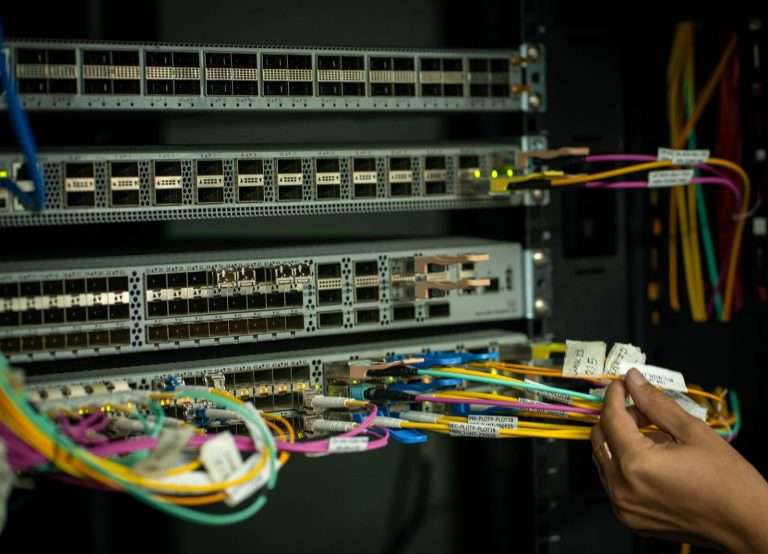
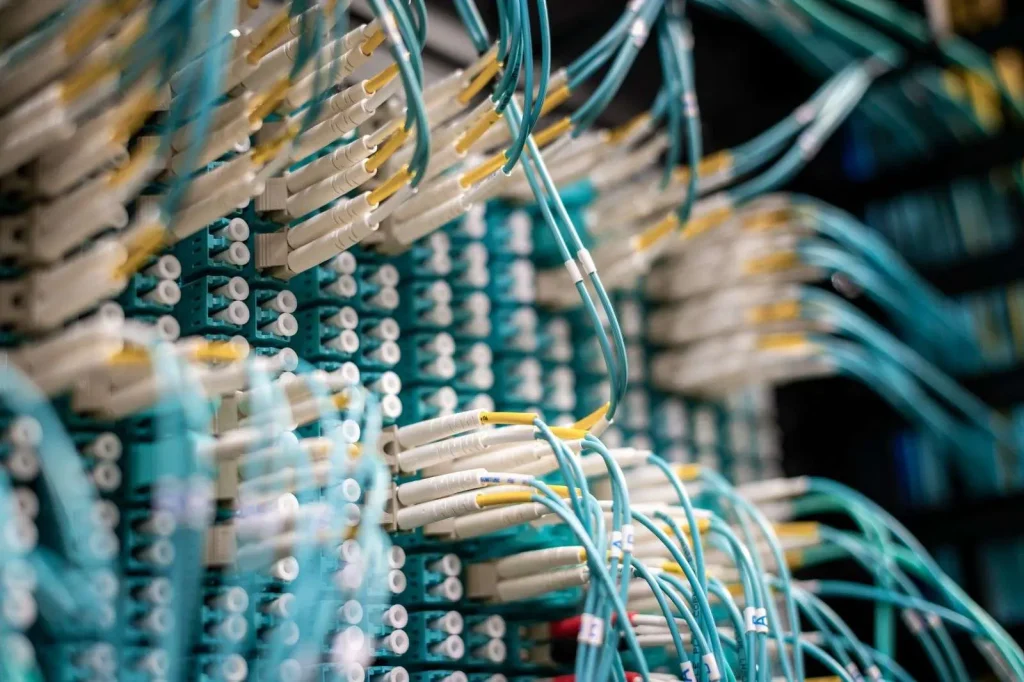
Many businesses discover the limits of their backup plan on the worst possible day. A construction crew cuts a fiber bundle down the street, and both the primary and the backup internet connections go dark at the same moment. The company had two providers, two contracts and two bills. What it did not have was two separate paths.
Doug Roberts, chief technology officer of Cytranet, has watched that scenario play out enough times to talk about it plainly. “People buy redundancy by brand name,” he said. “They sign with a second carrier and assume they are covered. But if both circuits leave the building through the same conduit and run down the same street, you really have one path with two logos on it.”
How shared routes happen
Carriers frequently lease capacity from one another or share infrastructure along common corridors. Fiber tends to follow roads, rail lines and utility easements, and in many areas there are only so many practical routes. Inside a building, circuits from different providers may come through the same entry point and the same telecom room.
None of that is visible on a contract. Two providers can each deliver excellent service and still share a vulnerability that nobody mentioned during the sale. A single excavation, a vehicle hitting a utility pole or a flood in a shared vault can affect both at once.
“The question to ask is not ‘who is my second provider,'” Roberts said. “The question is ‘where does each connection physically go, from my wall to the network core, and where do those paths come together?’ If you cannot answer that, you do not know how resilient you are.”
What true diversity looks like
Real path diversity addresses several layers:
- Building entrance: separate entry points, ideally on different sides of the building
- Route: fiber that travels along different streets or corridors, avoiding shared conduit and poles
- Network equipment: connections that land on different equipment and different points of presence upstream
- Technology: in some cases, a different transmission method altogether
That last point deserves attention. A fixed wireless link travels through the air rather than underground, so it does not share risk with a buried fiber route. Satellite service offers another independent path, especially for remote sites. Pairing fiber internet with one of these technologies can provide more genuine diversity than two fiber circuits that happen to share a trench.
“Mixing technologies is one of the most practical ways to get real diversity,” Roberts said. “Fiber gives you capacity and consistency. Fixed wireless or satellite gives you a path that a backhoe cannot touch. Together they cover each other’s weak spots.”
Asking the right questions
Businesses do not need to become network engineers to evaluate their exposure. They do need to ask direct questions and expect clear answers. Useful ones include where each circuit enters the building, which route it follows to the provider’s network, whether any segment is leased from another carrier, and where the two paths first meet.
Route documentation sometimes takes time to obtain, and not every carrier will share full details. That in itself is useful information. A provider that can explain its route and entrance clearly is usually one that has thought about resilience.
Roberts also encourages businesses to look at what happens after the connection reaches the internet. “Diversity has to extend upstream,” he said. “If both circuits land on the same router in the same facility, you have moved the single point of failure, not removed it.”
Making failover automatic
Two diverse paths are only valuable if traffic actually moves when one fails. Firewalls and SD-WAN edge devices can monitor both connections and shift traffic automatically, so calls and critical applications keep running. Without that, someone has to notice the outage and intervene manually, which can take much longer than the outage itself.
Cloud-based phone systems benefit greatly from this setup. With automatic failover, business voice calls can continue over the surviving path. Cytranet’s business continuity playbook for cloud phone systems walks through other steps that keep communication going when a link fails.
Testing, not assuming
A backup plan that has never been tested is really a hope. Roberts recommends periodic failover tests during a scheduled window: disconnect the primary circuit, confirm traffic moves, check that phones, payment systems and cloud applications keep working, then restore. Each test either builds confidence or reveals something to fix.
Right-sizing resilience
Not every location needs the same level of protection. A small satellite office may be fine with a basic backup, while a headquarters, a contact center or a facility running around-the-clock operations deserves careful route planning. The right answer depends on what an hour of downtime actually costs.
“Start with the business impact,” Roberts said. “If losing connectivity for an afternoon is an inconvenience, a simple backup may do. If it stops revenue, patient care or public safety work, invest in real path diversity and test it. The good news is that there are more ways to achieve it today than ever before.”
Cytranet designs connectivity for businesses, nonprofits and government agencies across the Southwest, combining fiber, fixed wireless and satellite options with 24/7 support. Organizations that want to understand how their connections really reach the building can reach out to Cytranet for a review.
Talk to Cytranet
A business-only carrier for fiber internet, cloud voice, managed Wi-Fi, and managed IT. Start with a free technology evaluation.