Ask most business owners how they find out about a network problem, and the answer is usually the same: someone walks over and says the internet is slow, or a customer mentions that their call dropped. By then the problem has already cost something, whether that is a lost sale, a frustrated employee or an afternoon of troubleshooting.
Doug Roberts, chief technology officer of Cytranet, the Las Vegas-based business telecommunications carrier, thinks that sequence should be reversed. In his view, a provider’s job is to know about a problem before the customer does, and ideally to fix it before anyone feels it.
“The best outage is the one nobody ever hears about,” Roberts said. “Networks almost always give you hints before they fail. A link starts taking errors, latency creeps up at the same hour every day, a device runs hot. If you are watching for those signals, you can act while it is still a maintenance task instead of an emergency.”
What proactive monitoring actually watches
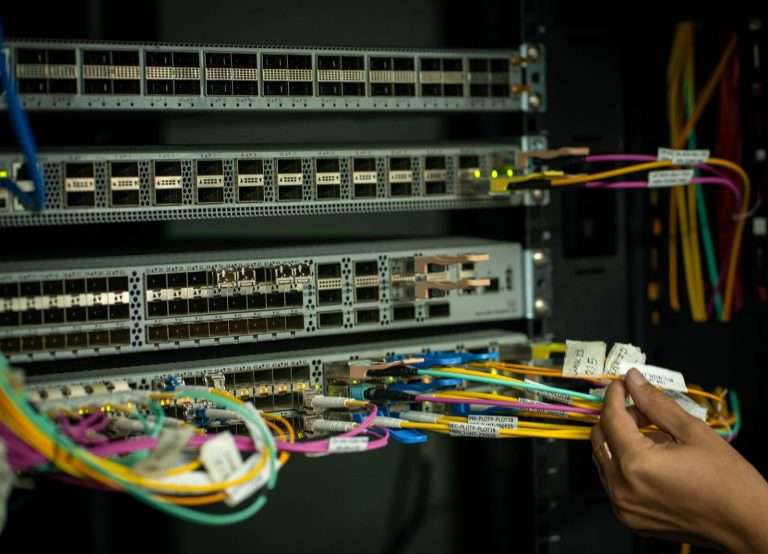
Proactive monitoring is less glamorous than it sounds. At its core, it means continuously collecting health data from every piece of the network that matters, then comparing that data against what normal looks like. Typical signals include:
- Interface errors and packet loss on circuits and switch ports
- Latency and jitter, which matter enormously for voice and video
- Bandwidth utilization trends, including recurring peaks
- Device health such as temperature, power supply status, memory and CPU load
- Signal quality on wireless links, including fixed wireless paths
- Reachability checks that confirm key services respond the way they should
Any single reading can look harmless. The value comes from context. A small amount of packet loss on a quiet Sunday means little, while the same loss during a Monday morning call rush can make every conversation sound choppy.
“Raw alerts are not the goal,” Roberts explained. “If you page an engineer every time a number twitches, they stop trusting the alerts. The skill is in tuning thresholds so that when something fires, it deserves attention. We would rather have fewer, smarter alarms that people act on right away.”
From alert to action
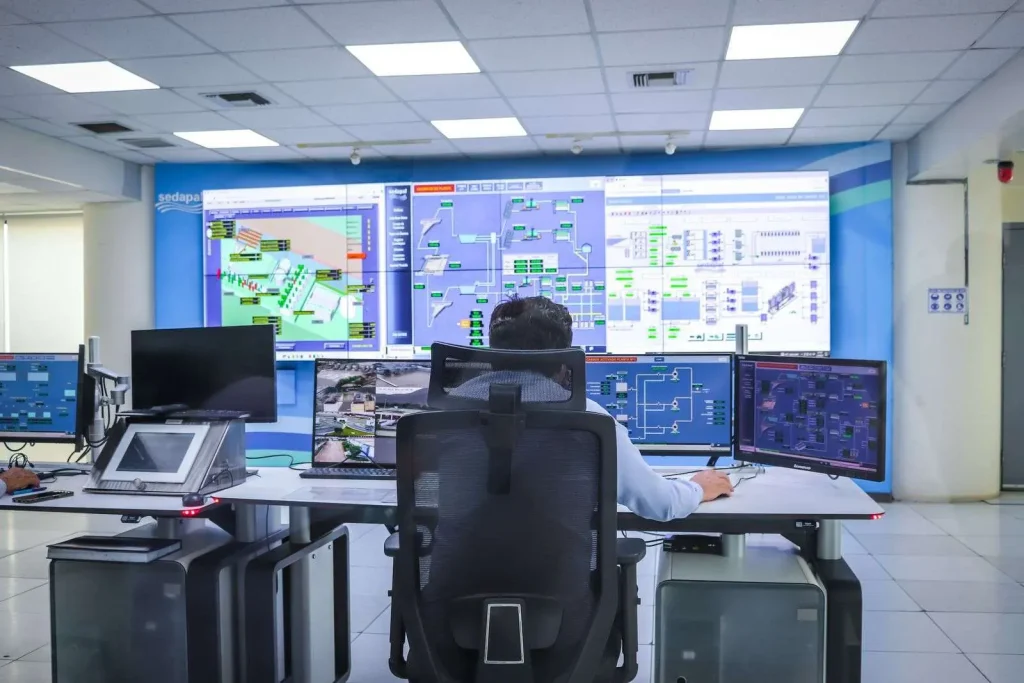
Detection is only half of the equation. A monitoring system that flags a failing optic at 2 a.m. is useful only if someone is awake to respond. That is one reason Cytranet runs 24/7 support, so that a warning can turn into a ticket, a diagnosis and, when needed, a truck roll without waiting for business hours.
Roberts describes a typical pattern. An engineer sees a fiber circuit showing a slowly rising error rate. Nothing is down, and the customer has not noticed anything. The team checks the history, correlates it with other circuits in the same area, and schedules a repair window, often during off-hours. The customer may receive a courtesy note explaining what was done, but their workday is never interrupted.
“There is a real satisfaction in calling a customer to say, we noticed something, we already fixed it, and here is what happened,” Roberts said. “It changes the relationship. They stop thinking of us as the people they call when things break and start thinking of us as the people who keep things from breaking.”
Why voice makes monitoring more important
As more businesses move their phones to the cloud, network quality has become a customer experience issue. Data applications can often tolerate a little delay, but voice cannot. Jitter and packet loss show up immediately as clipped words, echoes or dropped calls. For organizations using business VoIP, monitoring the path between the office and the voice platform is as important as monitoring the phones themselves.
Because Cytranet provides both connectivity and cloud voice, its engineers can look at the whole path rather than guessing which vendor is at fault. That end-to-end visibility shortens the finger-pointing phase that frustrates so many businesses juggling multiple providers.
Trends tell a story
Proactive monitoring is not only about catching failures. Long-term data reveals patterns that help customers plan. A location that routinely hits the top of its bandwidth during afternoon backups may need a larger circuit or a different backup schedule. A branch that sees wireless interference every evening may benefit from a change in access point placement.
“Monitoring data is some of the most honest information a business has about its network,” Roberts noted. “It does not guess. When a customer asks whether they need more capacity, we can show them their own usage over months and make that decision together, based on facts.”
That kind of planning ties naturally into a broader IT roadmap, where upgrades are scheduled deliberately rather than triggered by a crisis.
Redundancy and monitoring work together
Monitoring also makes redundancy meaningful. Many businesses pair a primary fiber internet connection with a secondary path such as fixed wireless. A backup link that nobody checks can quietly fail and stay broken for months, only to be discovered on the day it is needed. Watching both paths continuously confirms that failover will actually work.
What businesses should ask their provider
For organizations evaluating their current provider, Roberts suggests a few simple questions. Does the provider monitor your circuit and equipment around the clock, or only respond to trouble tickets? Who looks at the alerts overnight and on weekends? Will they tell you when they have found and fixed something, or only when you call? Can they show you historical performance data for your own connection?
“Those answers tell you a lot about the kind of partner you have,” Roberts said. “Good monitoring is invisible most of the time, and that is exactly the point. When it is working, your team just gets to do their jobs.”
For businesses that want to pair connectivity with the kind of layered protection that monitoring supports, Cytranet’s approach to reducing downtime and security risk offers a useful starting point. And for anyone who wants to talk through how their own network is being watched today, the team is available through the contact page.
Roberts summed up the philosophy simply. “Customers should not have to be our monitoring system. That is our job, and it is one we take personally.”
Talk to Cytranet
A business-only carrier for fiber internet, cloud voice, managed Wi-Fi, and managed IT. Start with a free technology evaluation.