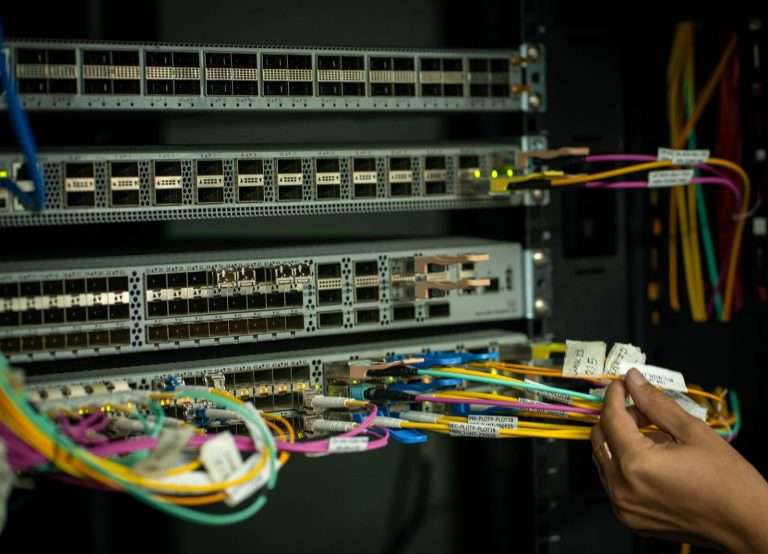
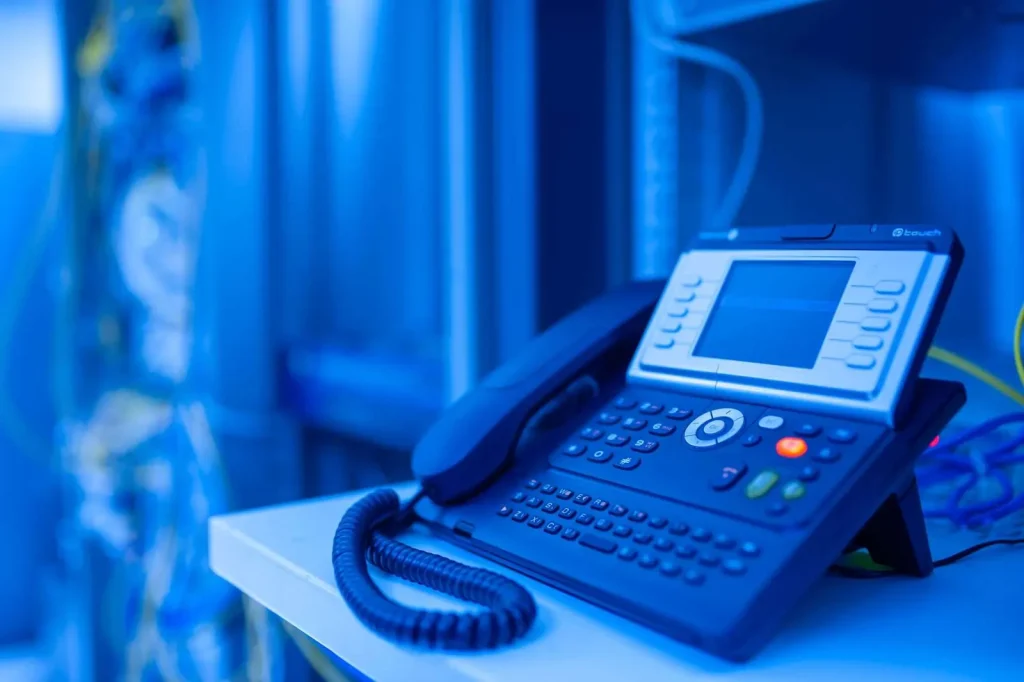
If your business still has an elevator, an alarm panel, a fax machine, or an emergency call box wired into a plain old copper phone line, you are running mission-critical safety equipment on infrastructure that the phone industry itself is actively retiring. It is easy to overlook, because these lines rarely fail on a predictable schedule – until the day they do, often during the exact emergency they were installed to handle.
Why Plain Old Telephone Service Is Disappearing
Plain Old Telephone Service, commonly known as POTS, is the analog copper-line technology that has connected businesses since the earliest days of the telephone network. For decades it was the default choice for elevator phones, fire and security panels, fax machines, and point-of-sale terminals, largely because it was simple, standardized, and did not depend on a building’s internet connection.
That copper infrastructure is expensive to maintain and increasingly rare to find replacement parts for, and major carriers across the country have been phasing it out in favor of digital and fiber-based networks. For property owners and business leaders, that shift means the phone line quietly running an elevator or alarm system may become more expensive, less reliable, or simply unavailable with very little warning.
What Is Actually at Stake
The risk here is not abstract. When an analog line supporting an elevator emergency phone or a fire panel goes down, the consequences can include:
- Passengers or occupants unable to reach help during an actual emergency
- Failed fire, life-safety, or building code inspections
- Gaps in required documentation and call logging
- Compliance violations that carry real financial and legal exposure
- A building that looks fully equipped on paper but is not actually protected in practice
Elevators, in particular, are used every day by people who never think twice about what happens if the car stops between floors. In that moment, a working emergency phone is the difference between a brief inconvenience and a genuinely frightening experience. The same logic applies to alarm systems, fax-based order and payment systems, and any other equipment still quietly depending on copper.
What a Modern Replacement Should Actually Do
Simply swapping a copper line for a cellular or internet-based replacement is not enough on its own. A dependable replacement for life-safety and business-critical analog lines should provide:
- Reliable connectivity that does not depend on aging copper infrastructure
- Clear, documented call routing to the correct response team every time
- 24/7/365 live support, not just an automated menu, for anything safety-related
- Failover protection so a single point of failure cannot take the whole line down
- Detailed call logs and incident documentation to support inspections and compliance
- A setup process fast enough that a business is not left exposed for months during a transition
How Cytranet Approaches Legacy Line Replacement
This is exactly the gap Cytranet’s Voice Services and Carrier Services are built to close. We help building owners, property managers, and businesses of every size move critical analog lines – whether they support elevators, alarm panels, fax machines, or general office phones – onto a modern, code-compliant voice network without sacrificing the reliability those systems were originally installed to guarantee.
Our voice platform is built around built-in failover call routing, guaranteed setup within 48 hours, and support for well over a hundred premium calling features, all running across our own fiber-rich network rather than infrastructure leased from a third party. Combined with our carrier services, which include SIP and VoIP termination and origination across the United States and dozens of countries, we can support a single building or a large multi-site portfolio from one accountable provider.
Just as important, every Cytranet client, regardless of account size, has access to U.S.-based support available 24 hours a day, 7 days a week, 365 days a year. When a life-safety system is involved, that live human response is not a convenience; it is the entire point.
When to Start the Conversation
The right time to review your building’s or business’s legacy phone lines is before something fails, not after. It is worth taking a closer look at your current setup if:
- Any of your elevators, alarms, or emergency systems still rely on copper POTS lines
- Your monthly line costs keep climbing for no clear reason
- You are not entirely sure who receives an emergency call when one comes in
- You lack clear call logs or incident reports for those systems
- You manage multiple properties across different phone providers
- You have inspections or compliance reviews coming up
None of these situations are urgent until suddenly they are. Modernizing now, on your own schedule, is far less disruptive than being forced into it after a line goes dead during an emergency.
Contact Cytranet or call 702-846-5000 to talk through your current phone infrastructure and find out how straightforward it can be to move critical systems off aging copper lines and onto a network built for today’s safety and compliance standards.
Talk to Cytranet
A business-only carrier for fiber internet, cloud voice, managed Wi-Fi, and managed IT. Start with a free technology evaluation.