Anyone who has called a support line at two in the morning knows the feeling. You finally reach a person, and the first ten minutes are spent explaining who you are, what you have, and how it is all connected. By the time the conversation reaches the actual problem, the outage has already cost real time and money.
Doug Roberts, chief technology officer of Cytranet, thinks that experience is avoidable. The Las Vegas-based business telecommunications carrier offers support around the clock, but Roberts says the hours on the sign are only half of the equation.
“Being available 24/7 is table stakes. What matters is who picks up and what they already know,” Roberts said. “If the person answering has to learn your network from scratch during an outage, you are not really getting 24/7 support. You are getting 24/7 intake.”
Context is the fastest troubleshooting tool
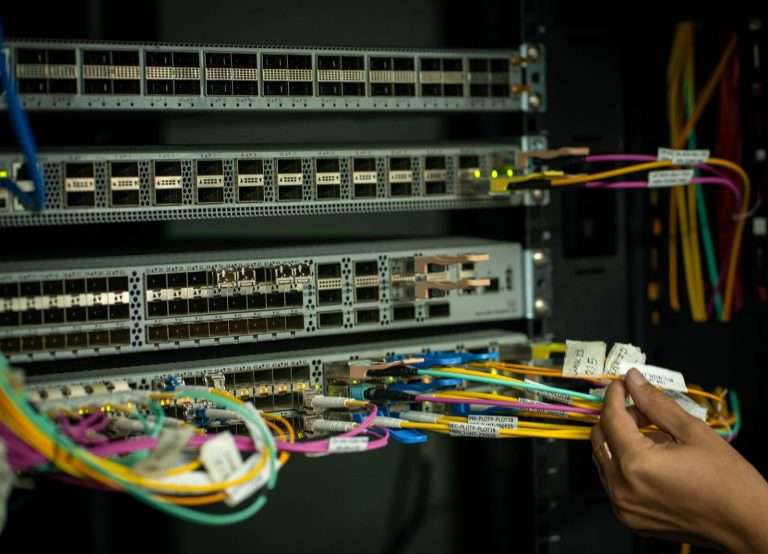
Most network problems are not mysterious once you know the environment. A slow connection may trace back to a specific circuit, a misbehaving switch in a closet, or a firewall rule added last month. A technician who can see how the network is built, what changed recently and what has happened before can narrow the problem quickly. A technician working from a blank screen has to guess.
That is why Roberts puts a heavy emphasis on documentation and continuity. When Cytranet installs fiber internet, cloud voice or managed networking, the details of that installation become part of the record the support team works from: equipment, circuits, configurations and the history of past tickets.
“We try to make sure the next person who touches an account knows what the last person did,” he said. “That sounds simple, but it is where a lot of support falls apart.”
Owning more of the stack helps
One advantage Roberts points to is that Cytranet often provides several layers of a customer’s technology at once. The same company may deliver the internet circuit, run the phone system, manage the Wi-Fi and look after the firewall. When something breaks, there is no finger-pointing between an internet provider, a phone vendor and an IT contractor, each insisting the problem belongs to someone else.
“When one team can see the circuit, the router, the switches and the phones, a lot of the back-and-forth just disappears,” Roberts said. “We can follow the problem wherever it goes instead of stopping at a boundary on a contract.”
For businesses that want that kind of coverage, Cytranet’s range of services includes managed IT, network security, managed Wi-Fi and data backup alongside connectivity and voice.
Humans for the hard moments
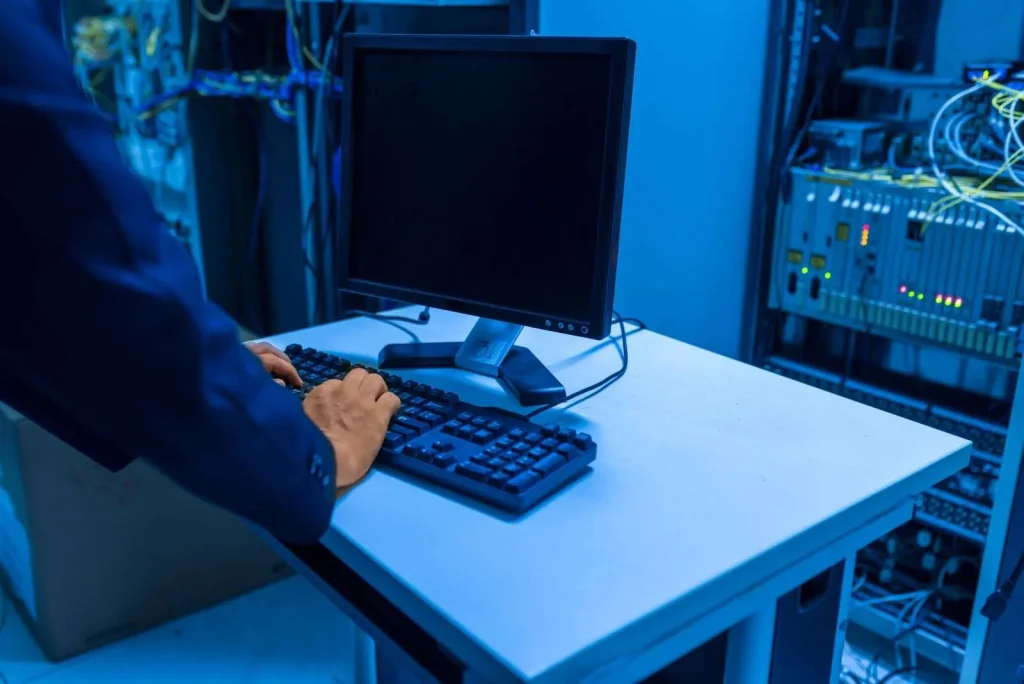
Automation has a place in support. Monitoring tools can spot a circuit going down or a device going offline before a customer notices, and alerts can kick off a response immediately. But Roberts is clear that automated tools should support people, not replace them when a business is in trouble.
“When a hotel’s front desk phones stop working or a clinic cannot reach its records, those customers want a knowledgeable person who can take ownership,” he said. “Monitoring gets us there faster. People get it fixed.”
The Cytranet blog has explored this theme before, including the case for live IT support over chatbots.
What good support looks like from the customer side
Roberts suggests that business owners evaluating any provider ask a few practical questions:
- Who answers the phone after hours, and do they have access to my account details and network documentation?
- Is the network monitored proactively, or do I have to report problems myself?
- If the issue involves both my internet and my phones, will one team handle it end to end?
- How are changes to my environment recorded so the next technician knows about them?
- Can the team dispatch someone on site if a remote fix is not enough?
The answers reveal a lot about whether “24/7” means a real response or simply a ticket that waits until morning.
Relationships over transactions
Cytranet has served businesses, nonprofits and government agencies across the Southwest for more than a decade, and Roberts says the company’s approach to support grew out of long relationships rather than one-time installations. Many customers add services over time, which means the support team builds up a deeper understanding of their operations with each project.
“Our best support calls are the short ones, where the technician already knows the building, the equipment and the people,” he said. “That familiarity is something you earn over years. We think it is worth the effort.”
For Roberts, the goal is simple: when a customer calls at any hour, they should feel like they reached someone who has been paying attention all along.
Knowing the business, not just the equipment
Roberts said understanding a network also means understanding how the customer uses it. A restaurant cares most about its payment terminals during the dinner rush. A medical office worries about its scheduling system first thing in the morning. A warehouse may run shifts around the clock and need its scanners online at 3 a.m. Knowing those priorities helps the support team decide what to check first and how urgently to escalate.
“Two outages can look identical on a monitoring screen and mean completely different things to the business,” he said. “If you know the customer, you know which one is an emergency.”
That knowledge also shapes preventive work. When a technician knows a customer’s busy season is coming, maintenance can be scheduled around it rather than in the middle of it, and aging equipment can be flagged before it causes trouble.
Businesses interested in that kind of partnership can learn more about Cytranet or contact the team directly.
Talk to Cytranet
A business-only carrier for fiber internet, cloud voice, managed Wi-Fi, and managed IT. Start with a free technology evaluation.