A few years ago, a slow internet connection at a medical clinic was mostly an annoyance. The front desk might wait a little longer for an insurance portal to load, and that was about it. Today the same slowdown can freeze an electronic health record in the middle of an exam, drop a telehealth visit with a patient who drove nowhere because they were told they did not need to, or stall a prescription transmission while a line forms at the check-in window.
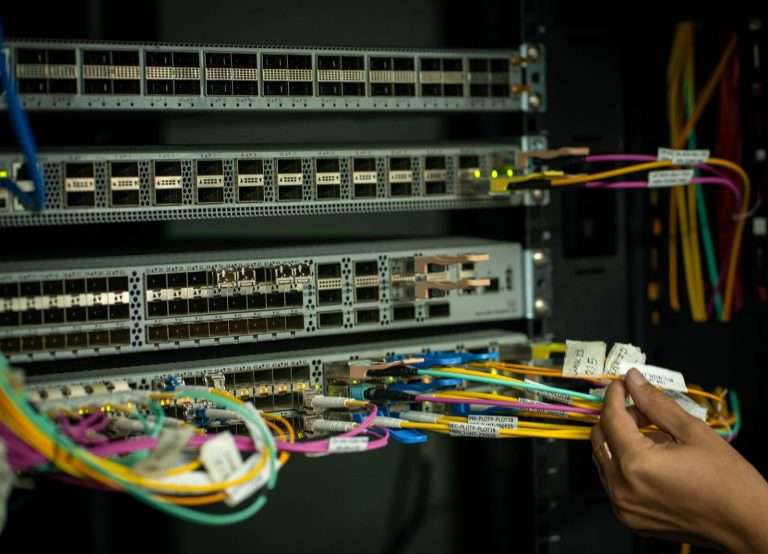
Clinics of every size now depend on the network in ways that are easy to overlook until something goes wrong. Records are hosted in the cloud. Imaging files move between offices and specialists. Phones, patient reminders, payment terminals and scheduling all ride on the same connection.
Doug Roberts, chief technology officer of Cytranet, a Las Vegas-based business-only telecommunications carrier, has watched that shift reshape how healthcare organizations think about connectivity. “For a clinic, the network used to be a utility in the background,” he said. “Now it is part of patient care. If the connection fails, the doctor cannot see the chart, and the patient on video cannot see the doctor.”
Telehealth raises the bar
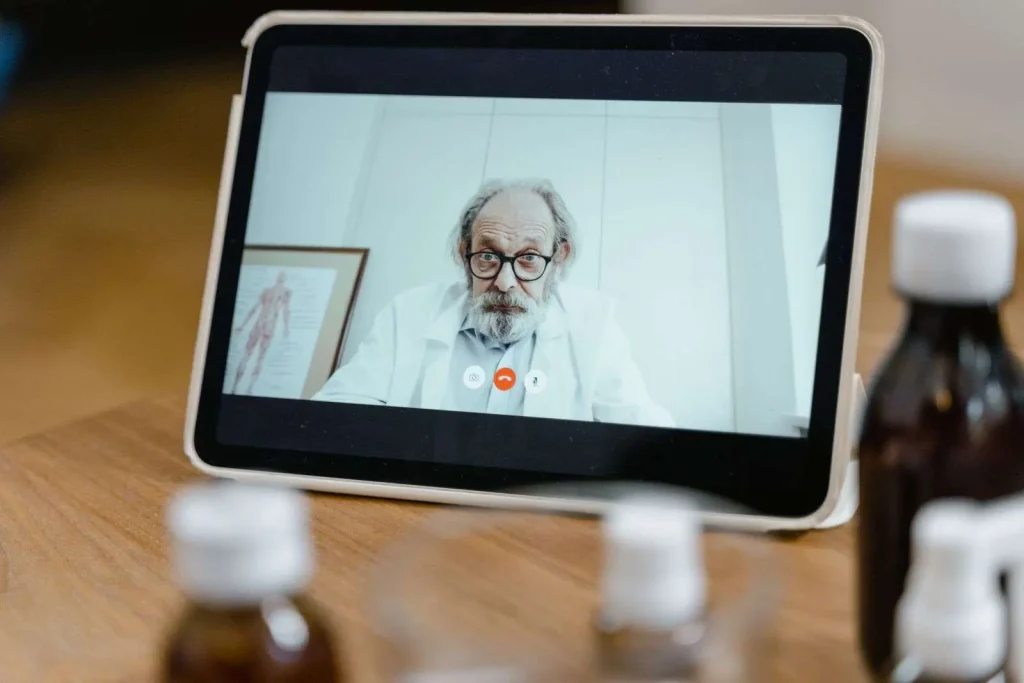
Video visits are among the most demanding everyday applications a small clinic runs. Unlike email or a web page, a video call cannot buffer and catch up. It needs steady upload and download capacity, low latency and minimal jitter for the whole visit. A connection that looks fine on a speed test can still produce frozen faces and garbled audio if it is shared with a busy office or suffers from congestion at peak times.
Upload capacity is a frequent culprit. Many connections built for consumers offer far more download than upload, which works for streaming but struggles when a provider is sending high-quality video out of the building. Symmetrical fiber internet, with matching upload and download capacity, is well suited to clinics that do regular telehealth work.
“Clinicians notice call quality immediately,” Roberts said. “When the video is clear and the audio is clean, the visit feels personal. When it stutters, both sides spend the appointment asking each other to repeat things. Good connectivity gives that time back to the patient.”
Cloud records need a dependable path
Hosted electronic health records have simplified life for many practices. There is no server in a closet to patch, and staff can reach records from multiple locations. The trade-off is that the clinic is entirely dependent on its connection to reach that data. An outage no longer means a slow server; it means no records at all.
That is why redundancy has moved from a nice-to-have to a baseline expectation. A second connection over a diverse path, such as fixed wireless alongside fiber, with automatic failover, keeps the clinic running if the primary line is cut or a piece of equipment fails. Paired with a solid backup and disaster recovery strategy, it protects both day-to-day operations and the data itself.
Voice is still the heart of the front desk
For all the digital tools, patients still pick up the phone. They call to book, to ask about results, to reschedule and to find out whether the clinic takes their insurance. A cloud phone system gives clinics features that used to require expensive hardware: call queues for busy mornings, routing to the right location, voicemail to email and mobile apps that let providers return calls without revealing personal numbers.
Cytranet has written about business voice for medical offices and about what healthcare providers should know about compliant answering systems, both good starting points for practices reviewing their phone setup.
“A clinic’s phone line is often the first impression a patient gets,” Roberts said. “If people wait on hold forever or get dropped, they assume the care will feel the same way. Modern voice lets a small team sound organized and responsive.”
Security and privacy go hand in hand with uptime
Healthcare data is sensitive, and clinics are frequent targets for cybercriminals. Reliability and security are closely linked: a network that is properly segmented, monitored and patched is also less likely to suffer the kinds of disruptions that take a clinic offline. Guest Wi-Fi for patients should be separated from clinical systems, medical devices should sit on their own segments where possible, and remote access should be protected with strong authentication.
A practical checklist for clinic leaders
- Check upload speeds, not just download, and test during the busiest hours of the day.
- Add a second internet connection on a different path, with automatic failover.
- Make sure network equipment is on battery backup long enough to ride out short outages.
- Separate patient Wi-Fi from clinical and administrative networks.
- Confirm where your records and backups live, and how quickly you could recover.
- Know who to call when something breaks after hours, and confirm they answer.
Looking ahead
Telehealth, remote monitoring and cloud-based tools are likely to keep growing, and each of them adds to the load a clinic network carries. Planning for that growth now, rather than reacting to it later, keeps the experience smooth for both staff and patients.
Cytranet provides fiber, fixed wireless, cloud voice, managed Wi-Fi, network security and managed IT services to organizations across the Southwest, with 24/7 support. For clinics, the goal is simple, according to Roberts.
“Nobody goes into medicine to troubleshoot routers,” he said. “Our job is to make the technology dependable enough that it disappears, so clinicians can spend their time with patients. That is the kind of work our team really enjoys.”
Talk to Cytranet
A business-only carrier for fiber internet, cloud voice, managed Wi-Fi, and managed IT. Start with a free technology evaluation.