
In a city built on hospitality, small details shape how visitors remember their stay. Increasingly, one of those details is invisible: the Wi-Fi. Guests may forgive a slow elevator or a long line at check-in, but a connection that drops during a video call or buffers through a movie tends to show up in reviews.
Doug Roberts, chief technology officer of Cytranet, says Las Vegas hotels and resorts have been learning quickly about what today’s travelers expect. “Guest Wi-Fi used to be an amenity,” he said. “Now it is part of the room, like hot water and air conditioning. Guests do not praise it when it works, but they definitely notice when it does not.”
Guests bring more devices than ever
A single traveler often arrives with a phone, a laptop, a tablet and perhaps a smartwatch or headphones that connect as well. Families and groups multiply that quickly. A room booked for two people might put six or eight devices on the network, all expecting a strong connection.
Many travelers also stream their own entertainment rather than relying on in-room channels, using their own accounts on phones, tablets or the room television. Streaming video is one of the heavier loads a guest network carries, and evening hours can bring a surge as guests return to their rooms at the same time.
“Hotels are really running a network for a small city every night,” Roberts said. “The traffic patterns follow the guest day. Quiet in the morning, busy at the pool and conference areas during the day, then heavy in the rooms at night. Designing around those patterns is what separates a good network from a frustrating one.”
Work travelers raise the stakes
Las Vegas hosts a steady calendar of conventions, trade shows and corporate meetings. Business travelers need reliable video calls, secure access to company systems and the ability to upload large files. Many extend trips to mix work and leisure, which means working from the room, the lobby or a cabana.
Meeting spaces bring their own challenge. A ballroom full of attendees can put hundreds or thousands of devices in one space, all trying to connect at the start of a keynote. Event organizers increasingly ask detailed questions about wireless capacity before signing contracts, and some want separate networks for exhibitors, staff and attendees so that one group’s heavy use does not slow down the others.
“Meeting planners know what to ask now,” Roberts said. “They want to know how many devices a room supports, whether they can get a dedicated network for their event and what bandwidth is available. A property that can answer those questions confidently has an advantage.”
What properties are getting right
Properties that consistently earn good marks on connectivity tend to share several habits:
- Wireless designs built for density, with access points placed in or near guest rooms rather than only in hallways
- Coverage extended to pools, restaurants, lobbies and outdoor spaces where guests actually spend time
- Guest networks separated from payment, property management and back-office systems
- Simple, branded sign-in that gets guests online quickly
- Continuous monitoring and responsive support around the clock
Security is especially important. Guests share a network with strangers, so isolation between devices and protection for hotel systems are essential. Cytranet has shared practical advice on securing hotel Wi-Fi for the best guest experience.
Infrastructure behind the experience
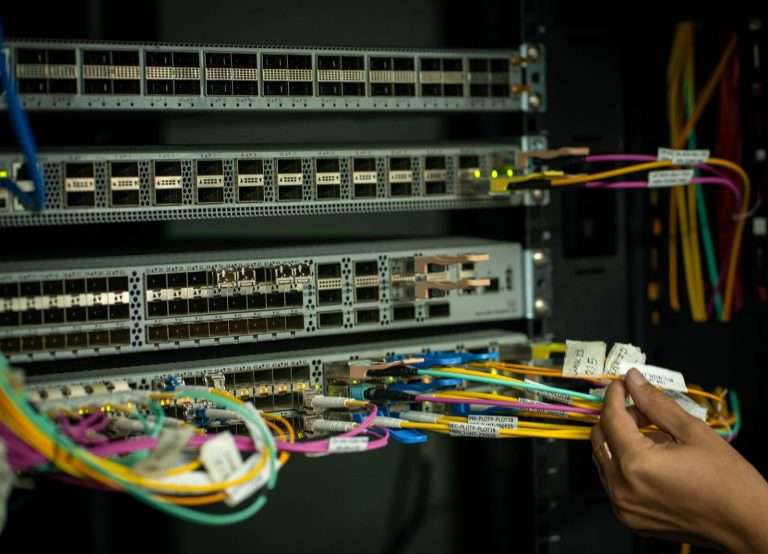
Behind every good guest connection is a lot of infrastructure. Large properties need substantial internet capacity, often delivered over dedicated fiber, along with switching and cabling that can support modern access points. Older properties may need cabling upgrades before new wireless equipment can perform as designed.
Roberts notes that many hotels are coordinating Wi-Fi improvements with other guest technology, such as in-room entertainment and phone systems. Cytranet’s guide to hotel and hospitality phone systems looks at how guest communication fits into the same picture.
The case for managed Wi-Fi
Hotel IT teams juggle point-of-sale systems, property management, security cameras, key cards and guest requests. Running a large wireless network on top of that is a heavy lift. A managed Wi-Fi model puts design, monitoring, updates and support in the hands of a provider, so issues are spotted and resolved before guests call the front desk.
“Guests call at two in the morning when something is wrong, and they expect it fixed,” Roberts said. “Around-the-clock monitoring and support are not optional in hospitality. That is a big part of why properties choose a managed approach.”
The same principles apply beyond hotels. Cytranet’s look at managed Wi-Fi for event venues, hospitals, hotels and multi-dwelling properties explores how busy, high-expectation environments share many needs.
Looking ahead
Expectations will keep rising as newer Wi-Fi generations appear in guest devices and as travelers do more on the road. Roberts believes properties that treat connectivity as part of the guest experience, rather than a line item, will be best positioned. “When the network is invisible and just works, guests spend their attention on everything else your property offers,” he said. “That is exactly where you want it.”
Hotels and resorts in Las Vegas and across the Southwest can contact Cytranet to review their current guest Wi-Fi and plan for what travelers will expect next.
Talk to Cytranet
A business-only carrier for fiber internet, cloud voice, managed Wi-Fi, and managed IT. Start with a free technology evaluation.