
Every recession headline tends to focus on the same things: layoffs, hiring freezes, companies pulling back. What gets less attention is the flip side — the businesses that keep hiring, keep investing, and keep building anyway. In Nevada and across the broader Southwest, Cytranet has spent the first half of 2026 doing exactly that.
As a licensed Nevada telecommunications carrier headquartered in Las Vegas, Cytranet designs, builds, and operates the fiber, wireless, and communications infrastructure that businesses, nonprofits, and government and military agencies rely on every day. That work doesn’t happen without people — engineers who design networks, technicians who climb towers and splice fiber, installers who show up on-site, and support staff who keep customers connected around the clock. In a year when many companies have been cutting back, Cytranet has continued adding to its team, taking on new contracts, and expanding the infrastructure it operates across Nevada, Arizona, Utah, California, and the wider Southwest.
A Business-Only Carrier Built for Resilience
Cytranet made a deliberate choice early on: serve businesses, not residential customers. That focus shows up in everything from network design to customer support, and it’s part of why the company has been able to keep growing through a stretch of the economy that hasn’t been easy for a lot of industries.
Rather than depending on a single product or a single type of customer, Cytranet operates across a wide range of interconnected service lines — dedicated fiber internet, fixed wireless and point-to-point microwave links, VoIP and hosted PBX/UCaaS phone systems, SIP trunking, private data transport, colocation and data center hosting, managed Wi-Fi, satellite internet installation, two-way radio sales and service, encrypted radio rentals, hospitality and multi-dwelling-unit television service, body-worn cameras, dispatch software, and GPS vehicle tracking. That breadth means Cytranet isn’t exposed to the ups and downs of any one sector. When one part of the business slows down, another is usually picking up the slack — and that diversification is a big part of why the company has kept hiring instead of cutting back.
Real Jobs Behind the Network
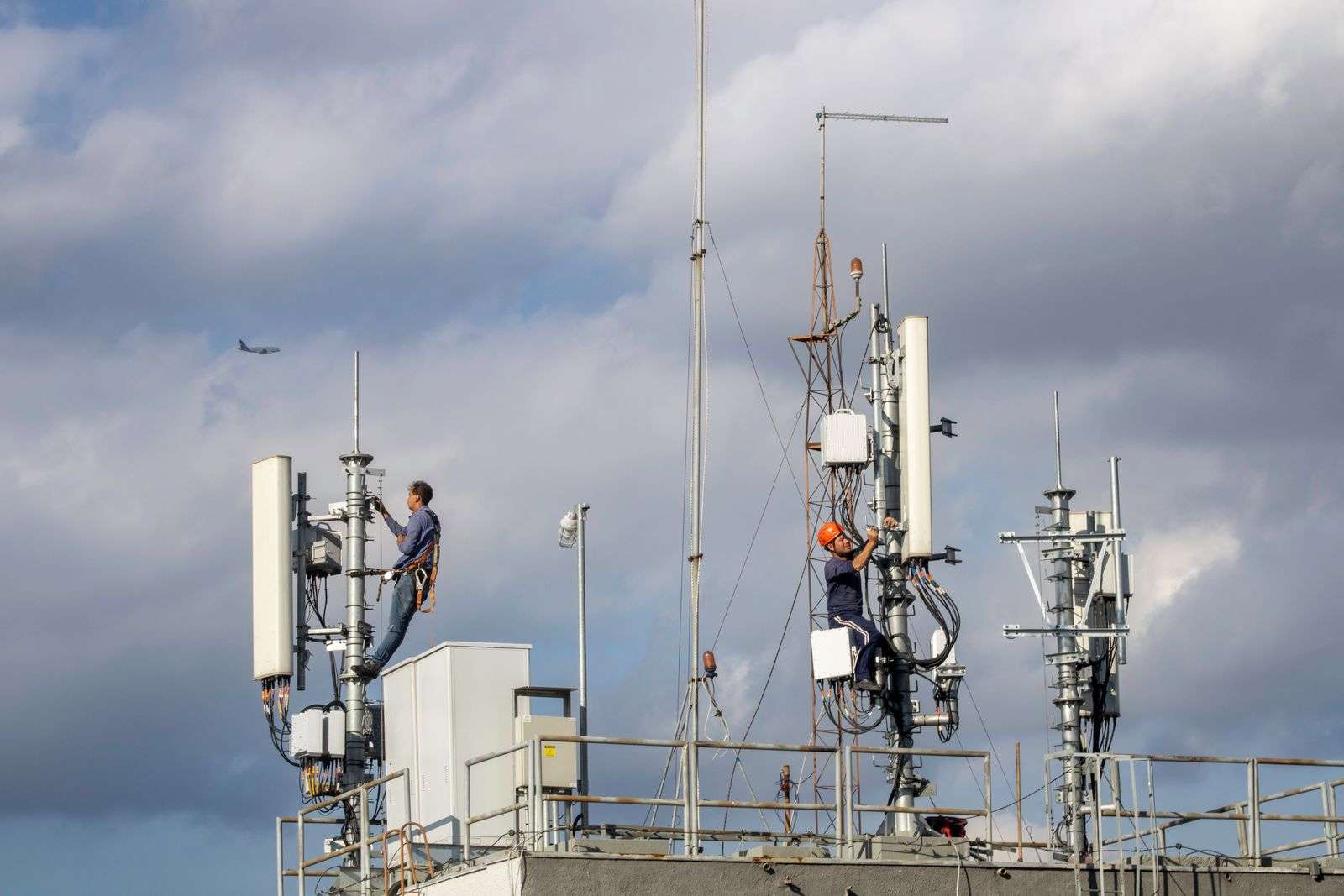
It’s easy to think of a telecom carrier as wires and equipment, but the network doesn’t build or maintain itself. Every mile of fiber that goes into the ground, every wireless link that goes up on a rooftop or a tower, and every managed Wi-Fi deployment inside a business represents hours of skilled labor — surveying, permitting, splicing, testing, installing, and troubleshooting.
Cytranet’s workforce includes network engineers, field technicians, installation crews, colocation and data center staff, radio technicians, project managers, and customer support teams — all based in the region they serve rather than outsourced elsewhere. As the company has taken on more contract work in the first half of 2026, that has translated directly into continued hiring and steady work for existing employees, at a time when many businesses nationally have been trimming headcount rather than growing it.
“We’re proud to be one of the companies still hiring and still investing in this economy,” said Doug Roberts, Chief Technology Officer at Cytranet. “Every fiber build, every wireless link, every managed network we stand up for a customer means real work for real people in Nevada, Arizona, Utah, and California. Keeping our team employed and growing isn’t separate from serving our customers well — it’s the same thing.”
Infrastructure That Businesses and Agencies Depend On
A meaningful share of Cytranet’s work supports what’s often called mission-critical infrastructure — the networks, phone systems, and data connections that government agencies, military installations, public safety organizations, and essential businesses cannot afford to have go down. That includes private data transport circuits, redundant fiber and fixed wireless connections, hosted phone systems, and colocation space built to keep operations running through outages that would otherwise disrupt service.
Cytranet also holds a certified enterprise Wi-Fi partner designation and continues to serve government and military contract customers across the region, work that requires a level of reliability, documentation, and accountability that goes well beyond a typical residential internet connection. Winning and retaining that kind of contract work takes a team that shows up, meets deadlines, and stands behind what it builds — which circles back to why the hiring and staffing side of the business matters so much.
Where That Work Shows Up
- Dedicated fiber and fixed wireless builds connecting businesses and facilities that can’t rely on residential-grade internet
- Private data transport and point-to-point microwave links for organizations that need secure, dedicated connections between sites
- Colocation and data center hosting for businesses that need enterprise-grade infrastructure without building their own facility
- Hosted PBX, UCaaS, and SIP trunking keeping business phone systems running and scalable
- Two-way radio systems and encrypted radio rentals supporting security teams, event operations, and public safety-adjacent organizations
- Managed Wi-Fi and advanced enterprise Wi-Fi deployments for offices, campuses, and multi-tenant properties
- Hospitality and multi-dwelling-unit television service for hotels, apartment communities, and similar properties
- GPS vehicle tracking and dispatch software for fleets and field-service organizations
Serving a Growing Footprint Across the Southwest
Cytranet’s customer base spans Nevada, Arizona, Utah, California, and the broader Southwest, and it continues to grow across all of the company’s core segments — small and mid-sized businesses, nonprofits, hospitality properties, security and public safety-adjacent organizations, and government and military agencies. That growth in the first half of 2026 has come even as many companies nationally have been describing the broader economy as challenging, which is part of what makes it worth highlighting: connectivity infrastructure tends to be one of the last things a business or agency cuts, because operations depend on it.
As more of that customer base signs on for fiber, wireless, hosted voice, colocation, or managed network services, it creates a direct line from Cytranet’s contract growth to jobs on the ground — because none of that infrastructure gets designed, permitted, built, or supported without people doing the work.
Why Strategic Telecom Investment Matters Beyond Cytranet
Reliable business connectivity isn’t a nice-to-have — it’s foundational infrastructure that everything else runs on top of. A regional hospital’s phone system, a manufacturer’s supply chain coordination, a security company’s dispatch network, a hotel’s guest Wi-Fi, a government office’s data transport — all of it depends on carriers like Cytranet continuing to invest in fiber, wireless links, and network capacity rather than pulling back.
That’s the broader argument for why a company like Cytranet being a consistent job creator matters beyond its own balance sheet. When a regional carrier keeps hiring technicians and engineers, keeps investing in infrastructure, and keeps winning and fulfilling contracts, it isn’t just good for Cytranet — it’s good for every business, nonprofit, and agency whose own operations depend on that network staying up and getting better. Strategic telecom investment and infrastructure upgrades ripple outward into the local economy in ways that are easy to overlook until the connection goes down.
Diversification as an Economic Strategy
There’s a reason Cytranet’s approach to growth looks different from a carrier that sells one product to one type of customer. Telecommunications is a capital-intensive business, and any single service line can slow down for reasons that have nothing to do with how well a company is running — a construction permitting delay, a shift in a particular industry’s spending, a change in federal contracting timelines. A carrier that only sells one thing is exposed to all of that risk at once.
Cytranet has spread that risk across a dozen interconnected service lines and three distinct customer segments: commercial businesses, nonprofits, and government and military agencies. A hospitality property renewing its managed Wi-Fi and TV service, a security company renewing its two-way radio contracts, a manufacturer bringing on a new fixed wireless link, and a government office extending a private data transport agreement don’t move on the same calendar or respond to the same economic pressures. That staggered, diversified demand is a large part of why Cytranet has been able to keep its workforce steady — and growing — through a period when a lot of single-line telecom and IT companies have had to make cuts.
It also means the jobs Cytranet creates aren’t concentrated in one department that could disappear if one product line has a bad quarter. Engineers and technicians work across fiber, wireless, radio, colocation, and voice projects. Project managers move between government contract work and commercial installs. That cross-training and flexibility is part of what keeps the company resilient, and it’s part of why Cytranet has continued adding headcount rather than consolidating it.
Looking Ahead
Cytranet’s plan for the remainder of 2026 is a continuation of what’s already underway: expanding fiber and fixed wireless coverage, taking on additional government and military contract work, growing colocation and data center capacity, and continuing to hire the engineers, technicians, and support staff who make all of it possible. In a year when a lot of companies have been playing defense, Cytranet has kept building — and kept people employed while it does.
Frequently Asked Questions
Is Cytranet still hiring in 2026?
Yes. Cytranet has continued to add to its team throughout the first half of 2026 as it has taken on additional infrastructure projects and contract work across Nevada, Arizona, Utah, and California. Roles span network engineering, field installation, colocation and data center operations, radio technology, project management, and customer support.
What services does Cytranet provide?
Cytranet is a business-only telecommunications carrier offering dedicated fiber internet, fixed wireless and point-to-point microwave links, hosted PBX/UCaaS phone systems, SIP trunking, private data transport, colocation and data center hosting, managed Wi-Fi, satellite internet installation, two-way radio sales and encrypted radio rentals, hospitality and multi-dwelling-unit television service, body-worn cameras, dispatch software, and GPS vehicle tracking.
Does Cytranet work with government and military customers?
Yes. Cytranet serves government and military contract customers as part of its broader business, in addition to commercial businesses and nonprofits across Nevada, Arizona, Utah, California, and the Southwest.
What areas does Cytranet serve?
Cytranet is headquartered in Las Vegas, Nevada, and serves businesses, nonprofits, and government and military agencies across Nevada, Arizona, Utah, California, and the broader Southwest region.
How does Cytranet’s growth support the local economy?
Every fiber build, wireless deployment, and managed network Cytranet stands up requires skilled labor to design, install, and support — which means continued contract growth translates directly into jobs and steady work for the company’s regional workforce, even during a challenging broader economic environment.
Talk to Cytranet
Whether your organization needs dedicated fiber, private data transport, hosted voice, colocation space, or a network partner who understands mission-critical infrastructure, Cytranet’s team is ready to help. Call 702-846-5000 or email info@cytranet.com to talk with a member of the Cytranet team about your organization’s connectivity needs.