Most of the headlines about artificial intelligence this summer have circled around two subjects: the powerful chips that train the models, and the electricity it takes to keep them running. In recent weeks, national policymakers have started sitting down with utilities and large data center operators to figure out how to keep power affordable as demand keeps climbing, while industry analysts debate where the next generation of server halls should be built. It is an important conversation, and a timely one. But according to Doug Roberts, the chief technology officer of Cytranet, it quietly skips over the part of the picture he spends most of his days thinking about.
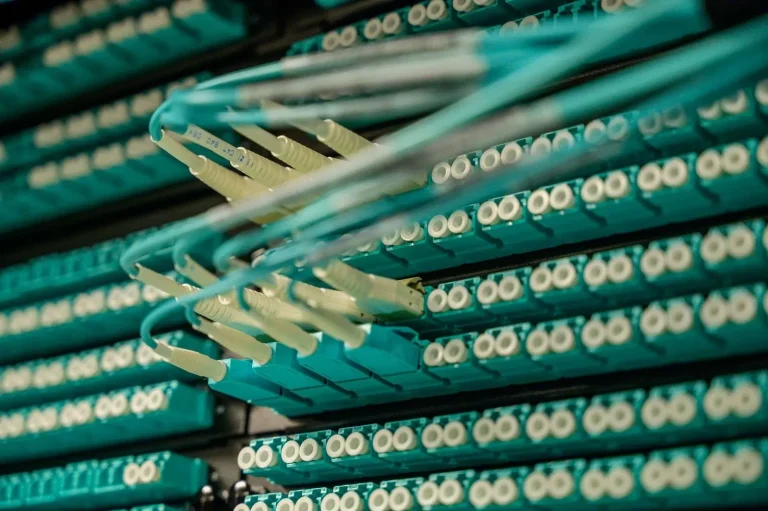
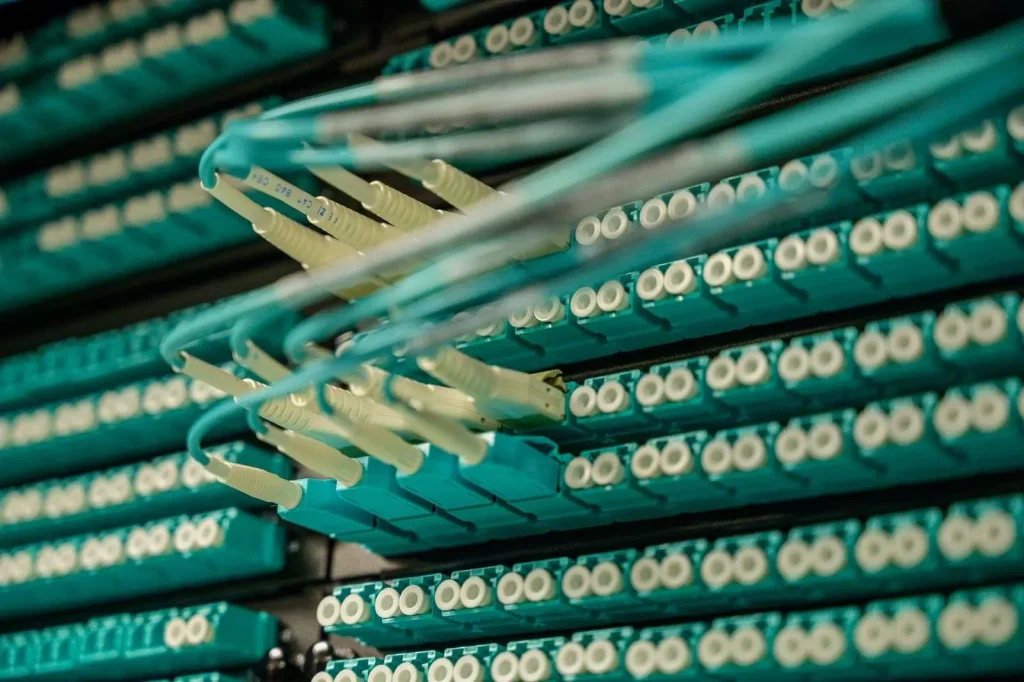
“Everyone is talking about processors and megawatts, and both of them matter,” Roberts said. “But none of it does any good without the connection running in and out of the building. Computing power without connectivity is just an expensive space heater. Fiber is what turns all of that horsepower into something a business can actually use.”
Fiber is no longer the future. It is the present.
That framing lines up with a shift the broader industry has been describing for a while now. For years, high-capacity fiber was talked about as tomorrow’s upgrade, the thing a company would eventually get around to. Roberts argues that moment has already arrived, and that the surge of interest in AI has simply made it impossible to ignore. As organizations lean on cloud platforms, real-time analytics, video, and automated tools that never stop exchanging data, the network underneath them has quietly become the deciding factor in whether any of it feels fast and dependable.
Cytranet, which is based in Las Vegas and serves businesses and public agencies across the Southwest, has spent the last several years steadily expanding its fiber footprint and growing the colocation and data center services it offers alongside it. The company pairs that connectivity with voice and unified communications, managed IT, network security, cloud hosting, and managed wireless, with the aim of giving a single customer one dependable partner rather than a patchwork of vendors. Roberts describes the strategy as unglamorous on purpose.
“We are not chasing the flashiest announcement,” he said. “We are making sure that when a clinic, a school district, or a growing company plugs in, the connection is there, it is fast, and it stays up. That is the part people only notice when it is missing.”
What the AI wave is really doing to networks
The more interesting change, in Roberts’ view, is not the raw amount of data moving across networks but the shape of it. Traffic used to be lopsided, with most information flowing down to the user and comparatively little going back up. AI-assisted tools have flattened that pattern. Systems now send and receive constantly, backups run in both directions, and workloads increasingly bounce between a company’s own offices and remote computing facilities many times a second. A connection that looked generous a few years ago can feel cramped under that kind of steady, two-way pressure.
For government and enterprise customers, where a slow or unreliable link can stall public services or halt an entire operation, that pressure raises the stakes. Roberts said this is where a regional provider can hold its own against the largest national carriers, not by outspending them but by staying close to the customer. “When something needs attention, our customers reach a person who knows their network, not a queue,” he said. “For a hospital or a city office, that responsiveness is not a nicety. It is the difference between a minor hiccup and a bad day.”
Careful about the hype, serious about the tools
Roberts is candid about being skeptical of buzzwords, and he is quick to say that not every product with an AI label deserves the attention it gets. What he does welcome are the practical uses that make a customer’s network safer and steadier. Cytranet has been folding automated threat detection into its security services, letting software watch for unusual activity around the clock and flag problems long before a person would spot them. The goal, he stresses, is not novelty for its own sake but fewer outages, faster fixes, and stronger protection against the growing volume of online threats aimed at businesses and public institutions alike.
“The technology should disappear into good service,” Roberts said. “If a customer never has to think about their connection because it simply works, then we have done our job. All of this attention on AI is welcome, because it is finally getting people to look at the infrastructure underneath it. That foundation has always mattered. Now everyone can see why.”
As the national debate over powering the AI era continues, Roberts is content to keep his attention on the quieter layer that ties it all together. It is not the loudest part of the story, but he is confident it is one of the most important, and he believes the businesses and communities Cytranet serves are better positioned because of it.
Talk to Cytranet About Your Business Connectivity
Cytranet is a Las Vegas-based licensed telecommunications carrier providing dedicated fiber internet, fixed wireless, business VoIP and hosted PBX, managed Wi-Fi, colocation, and two-way radio solutions to businesses, nonprofits, and government organizations across Nevada, Arizona, California, and the broader Southwest. To discuss your needs with our team, call 702-846-5000 or email info@cytranet.com.
Talk to Cytranet
A business-only carrier for fiber internet, cloud voice, managed Wi-Fi, and managed IT. Start with a free technology evaluation.